Immune & Anti-Inflammatory
Research Peptides
Cytokine research, inflammation pathway modelling, T-cell function, and adaptive immune response studies. HPLC-verified at >98% purity. COA on every order.
Research Overview, Immune Modulation & Inflammation
The REGENERIS line covers the intersection of immunology, inflammation biology, and tissue cytoprotection. These compounds are studied in models ranging from autoimmune and inflammatory bowel disease to sepsis, neuropathic pain, and cancer immunology.
KPV is among the most intriguing compounds in the line: a tripeptide small enough to partially survive gastrointestinal transit, with documented oral anti-inflammatory activity in colitis models. Its mechanism, NF-κB inhibition via melanocortin receptor activation, operates on one of the most fundamental inflammatory transcription factors, giving it broad relevance across different disease models.
Thymosin Alpha-1 has the most established clinical evidence in the REGENERIS line, with Zadaxin (pharmaceutical Tα1) approved in multiple jurisdictions for HBV, HCV, and cancer immunotherapy support. The TLR2/TLR9 mechanism of action positions it as a pattern recognition receptor agonist that enhances both innate and adaptive immunity, complementary to conventional immunosuppressive approaches that are mechanistically opposite.
AICAR occupies a unique niche: it is simultaneously a metabolic research tool (AMPK activator, exercise mimetic reference compound) and an anti-inflammatory compound, as AMPK activation suppresses NF-κB signalling. This dual mechanism makes AICAR useful for research designs studying the energy-inflammation interface, a growing area in obesity, metabolic syndrome, and neuroinflammation research.
ARA-290 (cibinetide) represents the cutting edge: a non-haematopoietic EPO analogue with Phase II clinical data in sarcoidosis-associated small fibre neuropathy, acting through the innate repair receptor independently of erythropoiesis. For Research Use Only.
REGENERIS Research Compounds
HPLC-verified >98% purity · COA every order · For Research Use Only
For Research Use Only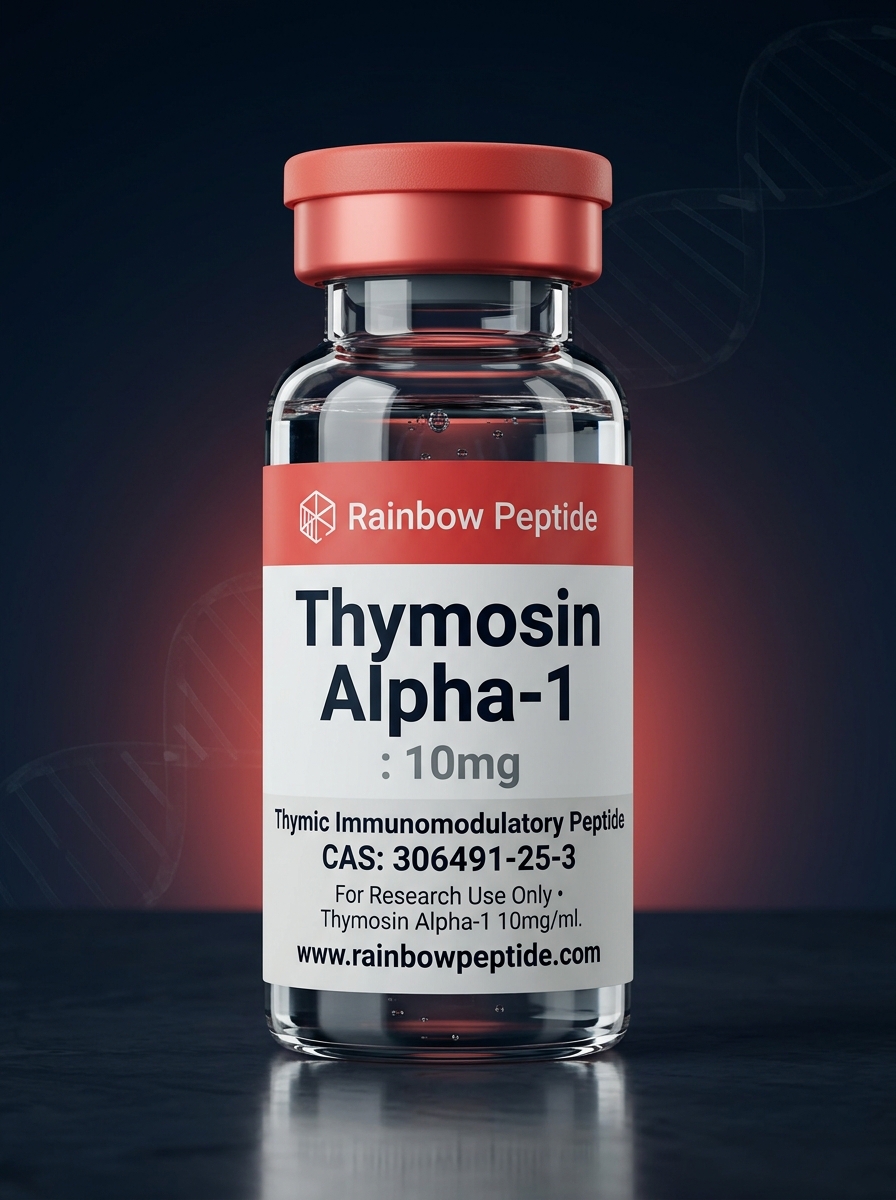 REGENERIS
 Thymosin Alpha-1
Thymosin Alpha-1 (Ta1) is a 28-amino acid thymic peptide approved in 35+ countries (as Zadaxin) for hepatitis and immunodeficiency. It is studied for T-cell modulation, innate immune priming, and anti-tumour activity.
 REGENERIS
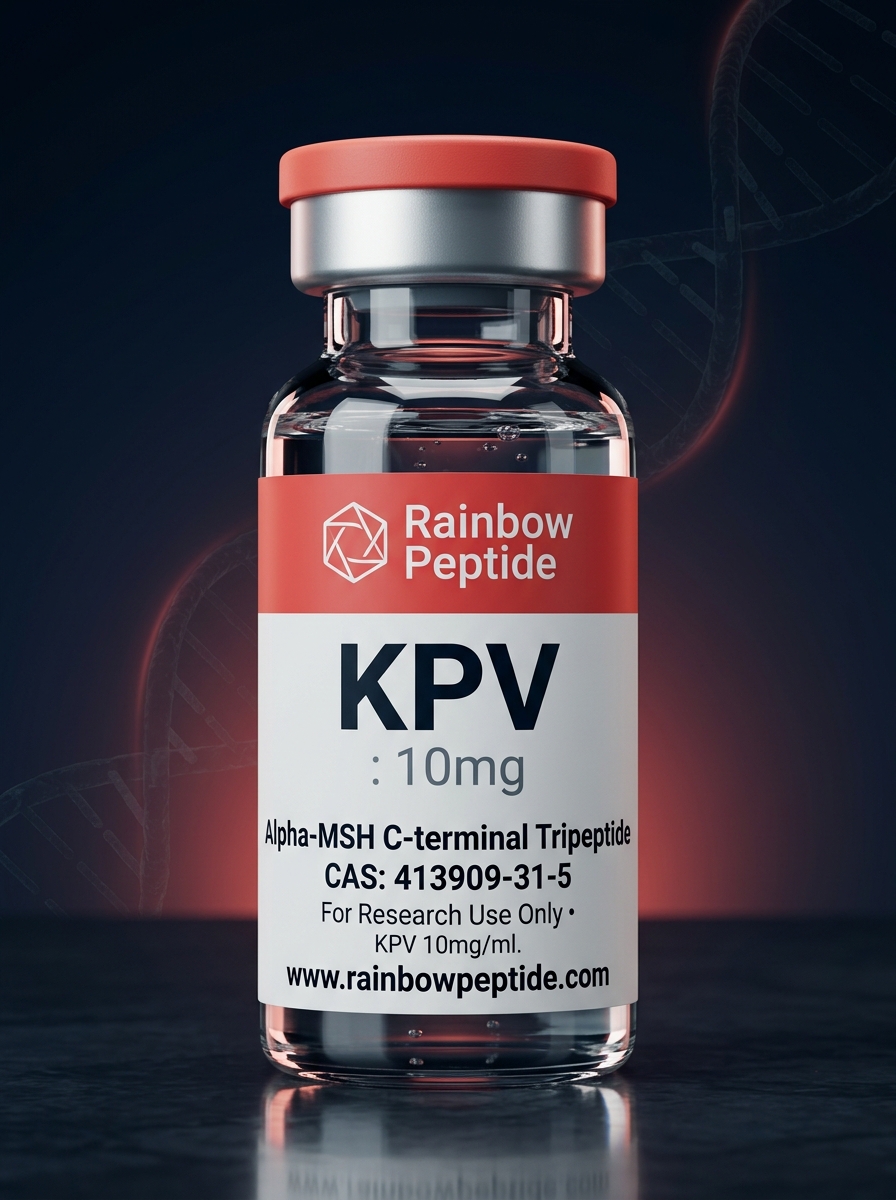
 KPV
KPV (Lys-Pro-Val) is a C-terminal tripeptide fragment of alpha-MSH with potent anti-inflammatory properties studied in IBD, gut permeability, and wound healing models. It acts via MC1R and intracellular NF-kB inhibition.
Frequently Asked Questions
What is KPV and how does it modulate inflammation?
KPV (Lys-Pro-Val) is the C-terminal tripeptide of alpha-melanocyte-stimulating hormone (α-MSH). It exerts anti-inflammatory effects through melanocortin receptor (MC1R, MC3R) activation and direct inhibition of NF-κB nuclear translocation. In colitis models, orally administered KPV reduced inflammatory cytokines (TNF-α, IL-1β, IL-6), preserved intestinal barrier integrity, and improved histological scores. The tripeptide structure enables partial resistance to GI degradation, making it one of the few peptides with documented oral anti-inflammatory activity in GI research models. For Research Use Only.
What is Thymosin Alpha-1 and what clinical research exists?
Thymosin Alpha-1 (Tα1, thymalfasin) is a 28-amino acid peptide derived from prothymosin alpha, originally isolated from thymic tissue. It activates dendritic cells and T-cells via TLR2 and TLR9 signalling, enhancing both innate and adaptive immune responses. Commercially available as Zadaxin, it is approved in multiple countries (Italy, China, and others) for hepatitis B, hepatitis C, and as an adjuvant to cancer chemotherapy. Published Phase II/III data exists for HBV, HCV, and sepsis. In research, it is used as a positive control compound in immunomodulation assays. For Research Use Only as a research compound.
What is AICAR and how is it used in inflammation research?
AICAR (5-aminoimidazole-4-carboxamide ribonucleotide) is an adenosine analogue and AMPK activator widely used in metabolic and inflammation research. As an AMPK activator, AICAR inhibits NF-κB signalling and downstream pro-inflammatory cytokine production, making it useful for studying the intersection of energy sensing and inflammatory pathways. It is also used as a reference compound in exercise mimetic research. Note: AICAR's mechanism is indirect (via AMP elevation) compared to direct AMPK activators like O-304. For Research Use Only.
What does ARA-290 (Cibinetide) target?
ARA-290 (cibinetide) is a non-haematopoietic erythropoietin (EPO) analogue designed to activate the innate repair receptor (IRR), a heterodimer of the EPO receptor with the common beta chain, without stimulating erythropoiesis. The IRR mediates EPO's tissue protective effects in neural, metabolic, and inflammatory contexts. Phase II clinical data exists for small fibre neuropathy in sarcoidosis (n=55, statistically significant improvement in corneal nerve fibre density). ARA-290 is studied for neuroprotection, anti-inflammatory signalling, and cytoprotection across multiple tissue models.