Anti-Aging & Longevity
Research Peptides
Collagen synthesis, telomere biology, mitochondrial function, and cellular aging research. GHK-Cu alone has seen +1,016% year-over-year search growth. HPLC-verified at >98% purity.
Research Overview, Longevity & Anti-Aging Biology
The AURA line encompasses compounds studied across the major hallmarks of aging: telomere attrition (Epithalon), mitochondrial dysfunction (SS-31, MOTS-c), loss of proteostasis (GHK-Cu), deregulated nutrient sensing (NAD+), and cellular senescence. No other single product line addresses this many aging hallmarks simultaneously.
Epithalon represents the most documented peptide in the biogerontology literature for telomere biology. Khavinson's group at the St. Petersburg Institute published data showing telomerase activation and telomere elongation in human somatic cells, effects that were subsequently observed in rodent longevity studies, where Epithalon-treated groups showed extended lifespan and reduced age-related pathology.
GHK-Cu is arguably the most commercially exciting compound in the entire peptide research space. The Pickart/Margolina gene regulation data, showing modulation of over 4,000 human genes, has attracted interest from dermatology, wound healing, oncology, and longevity research simultaneously. Its +1,016% year-over-year search growth signals a first-mover opportunity that is rare at this stage of the peptide market.
NAD+ and its metabolic context links to sirtuin activation (SIRT1-7), PARP-mediated DNA repair, and mitochondrial biogenesis via PGC-1α. SS-31 (Elamipretide) has the most clinically advanced profile of the AURA compounds, with Phase I/II data in heart failure and rare mitochondrial myopathies. MOTS-c completes the line with its unique mitochondrial-genome origin and AMPK-mediated metabolic regulation in aging models.
For Research Use Only. All AURA compounds are available as injectable vials, with GHK-Cu, Epithalon, and NAD+ also available in oral capsule format.
AURA Research Compounds
HPLC-verified >98% purity · COA every order · For Research Use Only
For Research Use Only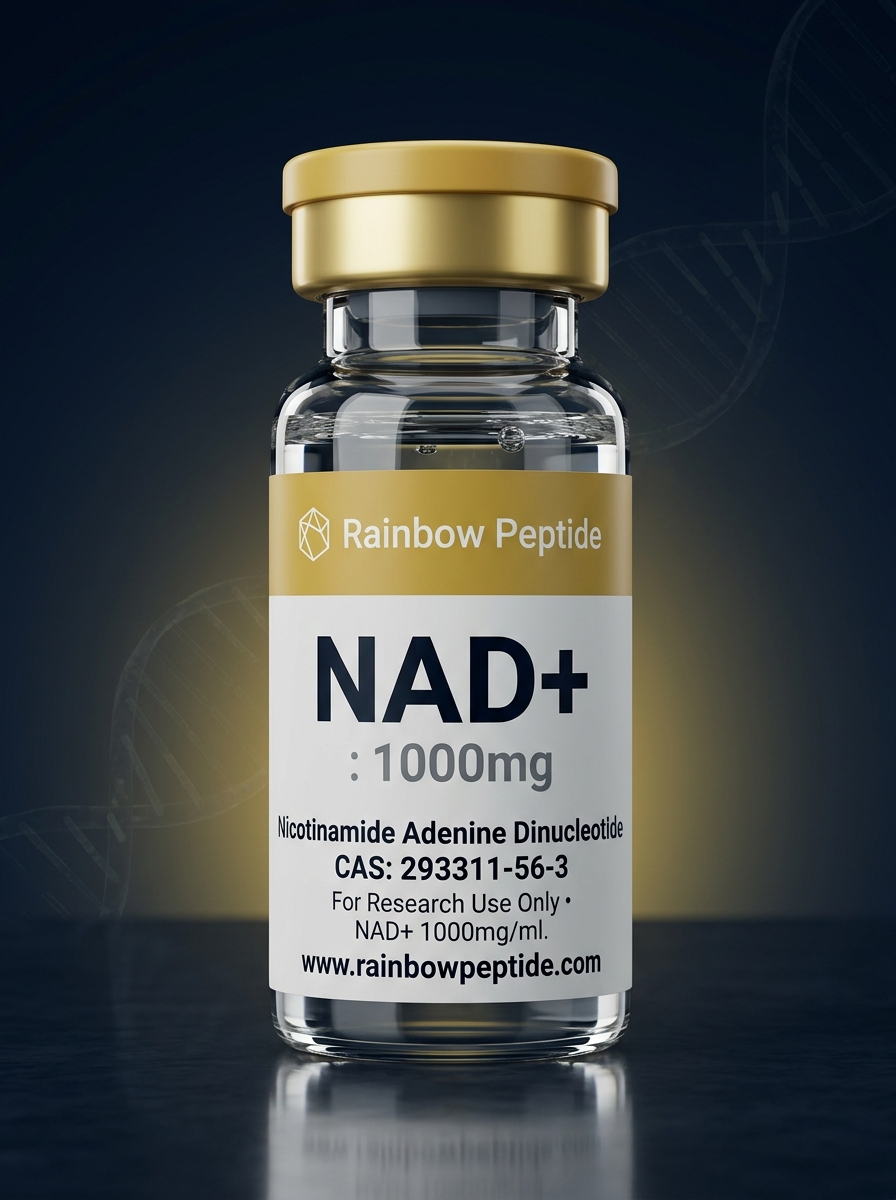 AURA
AURA NAD+
NAD+ (Nicotinamide Adenine Dinucleotide) is a fundamental coenzyme involved in over 500 enzymatic reactions including redox metabolism, sirtuin activation, and PARP-mediated DNA repair. Circulating NAD+ levels decline with age, driving interest in cellular senescence and longevity research.
 AURA
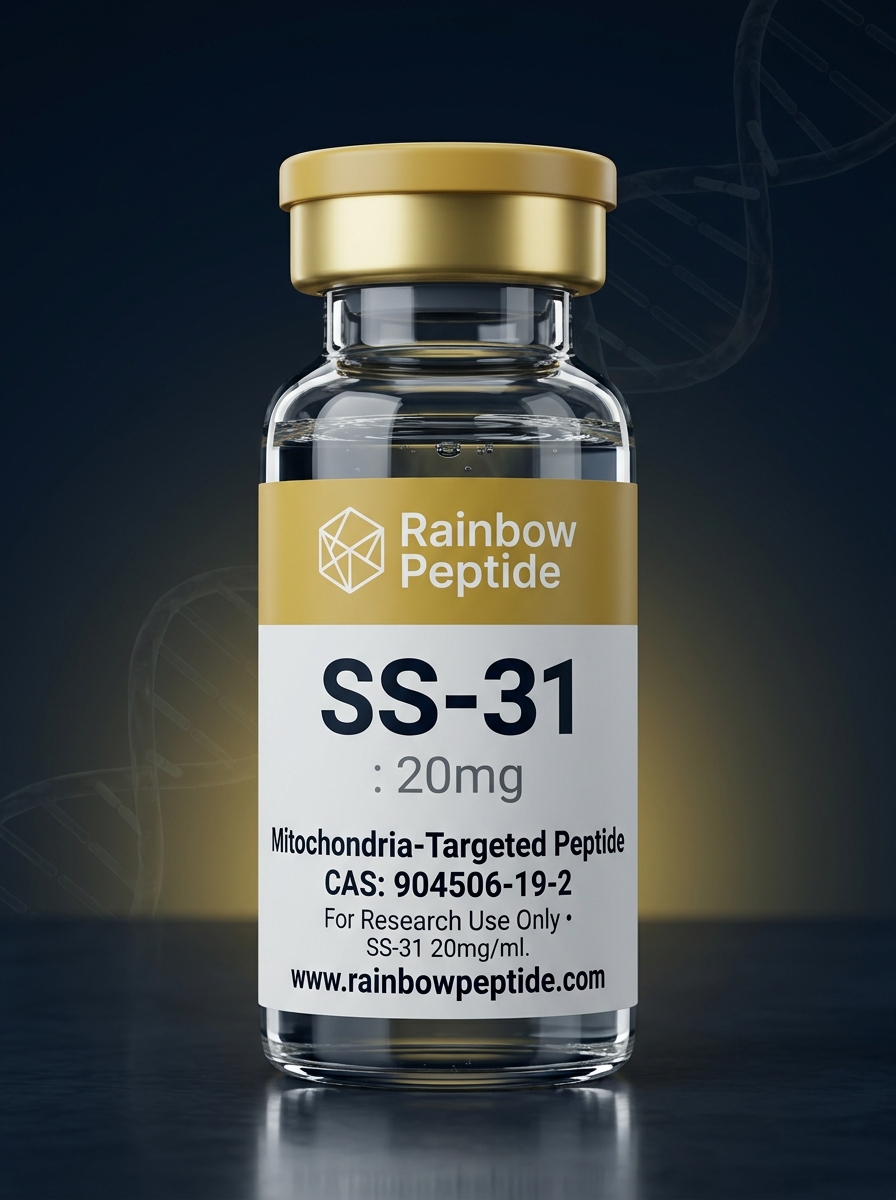
AURA SS-31
SS-31 (Elamipretide, D-Arg-Dmt-Lys-Phe-NH2) is a mitochondria-targeted tetrapeptide that selectively binds cardiolipin in the inner mitochondrial membrane. Studied in heart failure, neurodegenerative disease, and age-related mitochondrial dysfunction.
 AURA
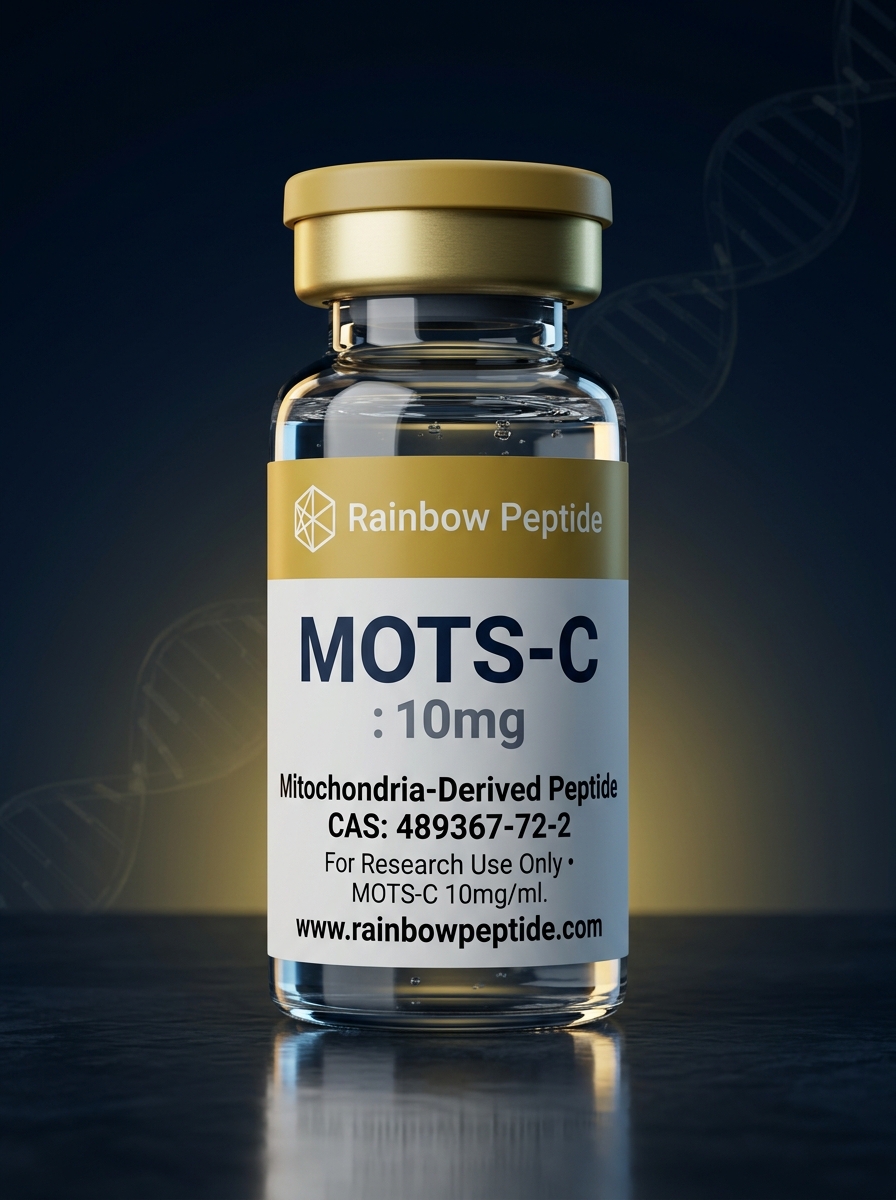
AURA MOTS-C
MOTS-c is a 16-amino acid mitochondria-derived peptide that regulates AMPK signalling, glucose metabolism, and exercise-mimicking pathways. Studied extensively in metabolic disease and longevity research.
 AURA
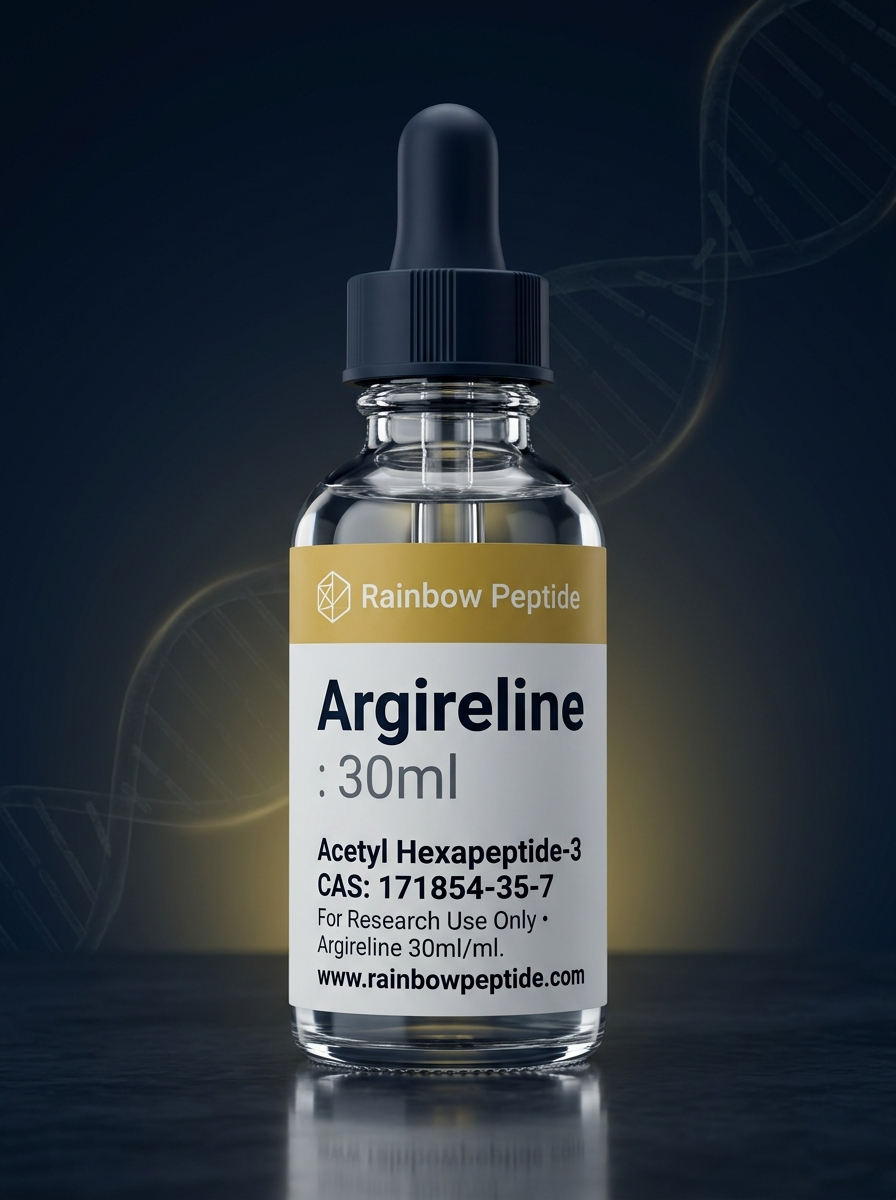
AURA Argireline
Argireline (Acetyl Hexapeptide-3) is a synthetic hexapeptide analogue of the SNAP-25 N-terminal sequence. It is studied for competitive inhibition of SNARE complex formation, with applications in neurotransmission and cosmetic biology research.
 AURA
AURA Epithalon
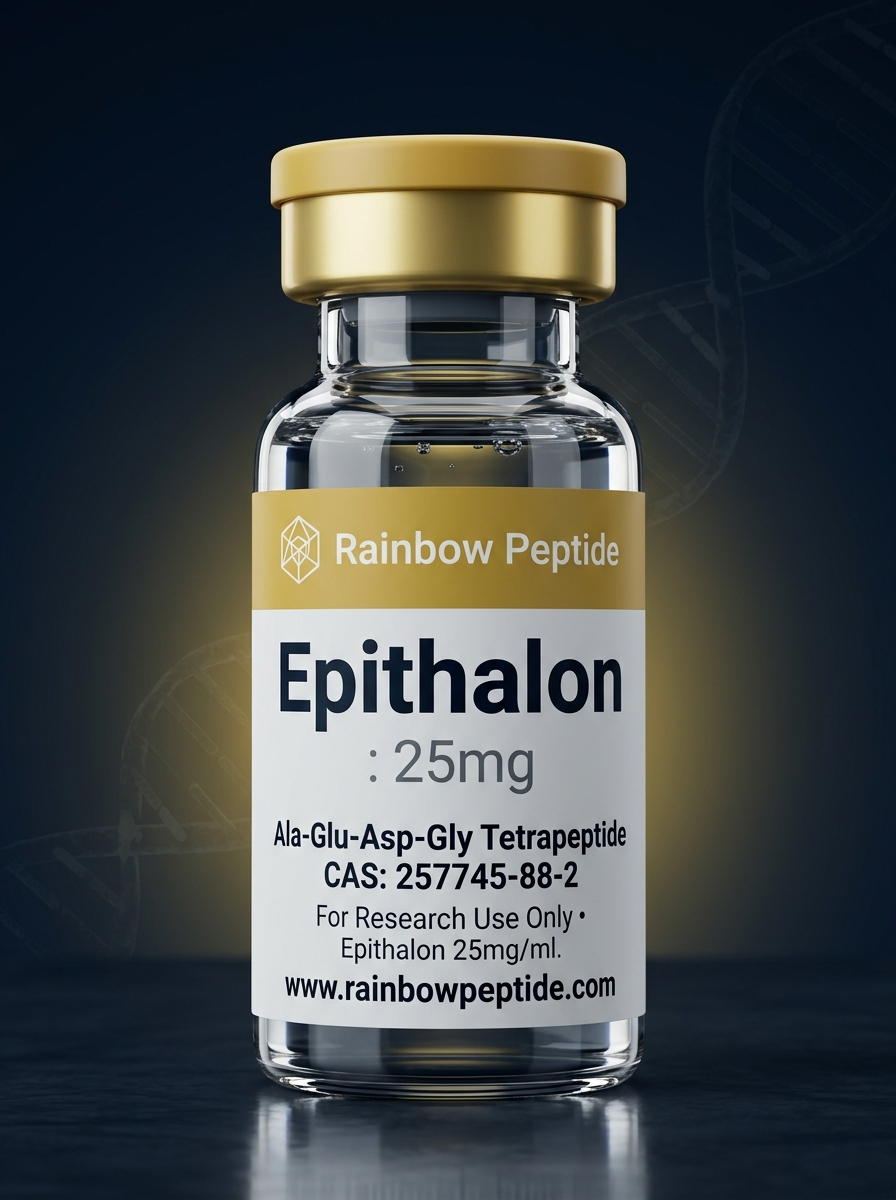
Epithalon (Ala-Glu-Asp-Gly) is a synthetic tetrapeptide analogue of Epithalamin, developed by Prof. Vladimir Khavinson at the St. Petersburg Institute of Bioregulation. It is studied for telomerase activation, pineal gland restoration, and longevity-related endpoints.
 AURA
AURA GHK-Cu
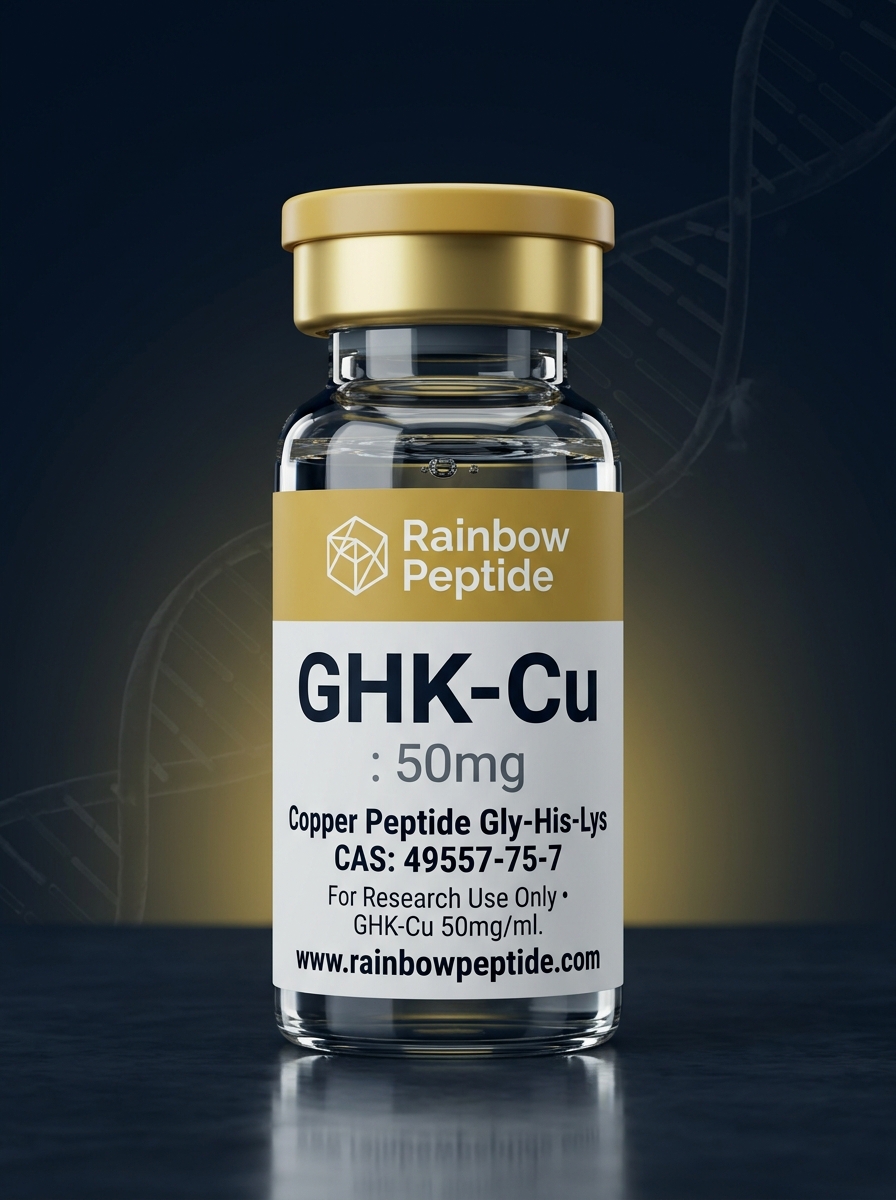
GHK-Cu (copper peptide Gly-His-Lys) is a naturally occurring tripeptide-copper complex with a broad body of research across wound healing, collagen synthesis, anti-inflammatory activity, and gene expression regulation. Found naturally in human plasma, saliva, and urine.
Frequently Asked Questions
What is Epithalon and what does the research show about telomere extension?
Epithalon (Ala-Glu-Asp-Gly) is a synthetic tetrapeptide first described by Vladimir Khavinson at the St. Petersburg Institute of Bioregulation. Research published in peer-reviewed journals has shown that Epithalon stimulates telomerase activity in human somatic cells, leading to telomere elongation in cultured human fetal fibroblasts and T lymphocytes. In rodent longevity studies, Epithalon-treated animals showed extended median and maximum lifespan, normalisation of age-related hormonal changes, and reduced incidence of spontaneous tumours. It remains one of the most research-documented peptides in the biogerontology literature. For Research Use Only.
Why has GHK-Cu become the fastest-growing anti-aging peptide keyword?
GHK-Cu (Glycyl-L-Histidyl-L-Lysine copper) has attracted extraordinary research and consumer interest due to its remarkably broad biological activity profile. Pickart and Margolina published data showing GHK-Cu modulates the expression of over 4,000 human genes, affecting pathways from collagen synthesis and wound healing to anti-inflammatory signalling and nerve regeneration. It has demonstrated efficacy in fibroblast collagen production, skin tensile strength, and anti-fibrotic activity. The convergence of dermatology research interest, longevity research, and a clean safety profile has driven +1,016% year-over-year search growth. At Rainbow Peptide it is available as a 50mg vial and oral capsule.
What is SS-31 (Elamipretide) and what does it target?
SS-31 (Szeto-Schiller peptide 31, also known as Elamipretide or MTP-131) is a mitochondria-targeted peptide that concentrates in the inner mitochondrial membrane and binds cardiolipin. By stabilising cardiolipin-cytochrome c interactions, SS-31 reduces electron leak and superoxide production, improving electron transport chain efficiency. Phase I/II clinical data in heart failure with reduced ejection fraction showed improvements in cardiac function and 6-minute walk test. Additional Phase II data in Barth syndrome (cardiolipin remodelling disorder) and rare mitochondrial myopathies has been published. It is one of the most clinically advanced mitochondria-targeted research compounds available.
How does MOTS-c relate to aging and metabolic health?
MOTS-c (Mitochondrial Open Reading Frame of the 12S rRNA-c) is a mitochondria-derived peptide encoded in the mitochondrial genome, discovered by Lee et al. and published in Cell Metabolism (2015). MOTS-c activates AMPK and regulates glucose metabolism, particularly in skeletal muscle. Importantly, MOTS-c levels decline with age in humans and mice, and exogenous MOTS-c administration in aged mice improved insulin sensitivity, reduced age-related metabolic dysfunction, and extended lifespan in some models. Its mitochondrial origin, distinct from all nuclear-encoded peptides, makes it a unique biomarker and therapeutic target in aging research.