Recovery & Repair
Research Peptides
The most extensively researched peptide category. Musculoskeletal tissue repair, gastrointestinal healing, angiogenesis, and wound healing biology, HPLC-verified at >98% purity.
Research Overview, Tissue Repair & Recovery
The SOMA peptide line encompasses compounds studied for their roles in musculoskeletal repair, gastrointestinal mucosal healing, angiogenesis, and connective tissue remodelling. These are among the most published peptides in preclinical literature, with decades of rodent and cell culture data establishing their research utility.
The biological mechanisms underlying this category converge on several key pathways: growth hormone receptor signalling (BPC-157, Hexarelin, GHRP-2/6), thymosin beta-4 mediated actin dynamics and cellular migration (TB-500), PPARγ and beta-3 adrenergic fat metabolism (AOD-9604), and erythropoietin receptor non-haematopoietic signalling (ARA-290 for neuroprotection and tissue cytoprotection).
BPC-157 and TB-500 are the most widely studied compounds in this line. BPC-157 upregulates EGR-1 transcription factor and growth hormone receptors, mechanisms that have been linked to accelerated tendon-to-bone attachment healing, GI ulcer repair, and anti-inflammatory effects across multiple preclinical models. TB-500 (synthetic Tβ4 fragment LKKTETQ) promotes G-actin sequestration and cellular migration, which facilitates wound repair at a structural level distinct from BPC-157's signalling mechanism.
AOD-9604 represents the fat-metabolising C-terminal fragment of human growth hormone, studied for adipocyte lipolysis without the IGF-1 elevation associated with full-length hGH. ARA-290 (cibinetide) is a non-haematopoietic erythropoietin analogue studied for neurotrophic, anti-inflammatory, and tissue cytoprotective effects, with Phase II data in neuropathic pain and sarcoidosis.
All SOMA compounds are supplied as lyophilized vials for injectable research protocols. BPC-157 is also available in oral capsule format for GI-targeted research models where oral administration is the mechanistic endpoint. For Research Use Only.
SOMA Research Compounds
HPLC-verified >98% purity · COA every order · For Research Use Only
For Research Use Only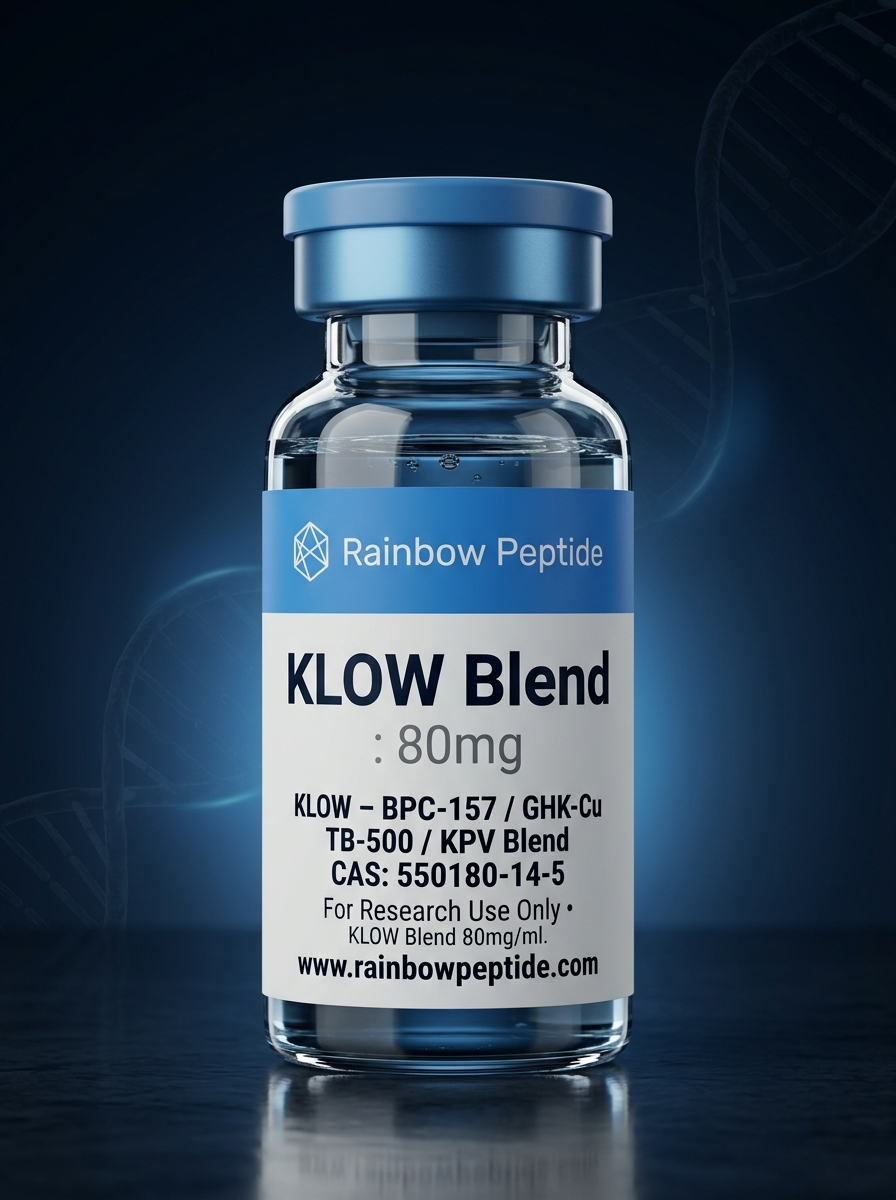 SOMA
SOMA KLOW Blend
KLOW is Rainbow Peptide’s exclusive research blend combining Kisspeptin-10, Larazotide, Orforglipron, and Wnt-pathway modulators. Formulated for researchers investigating integrated metabolic, reproductive, and gut-permeability pathways in a single protocol.
 SOMA
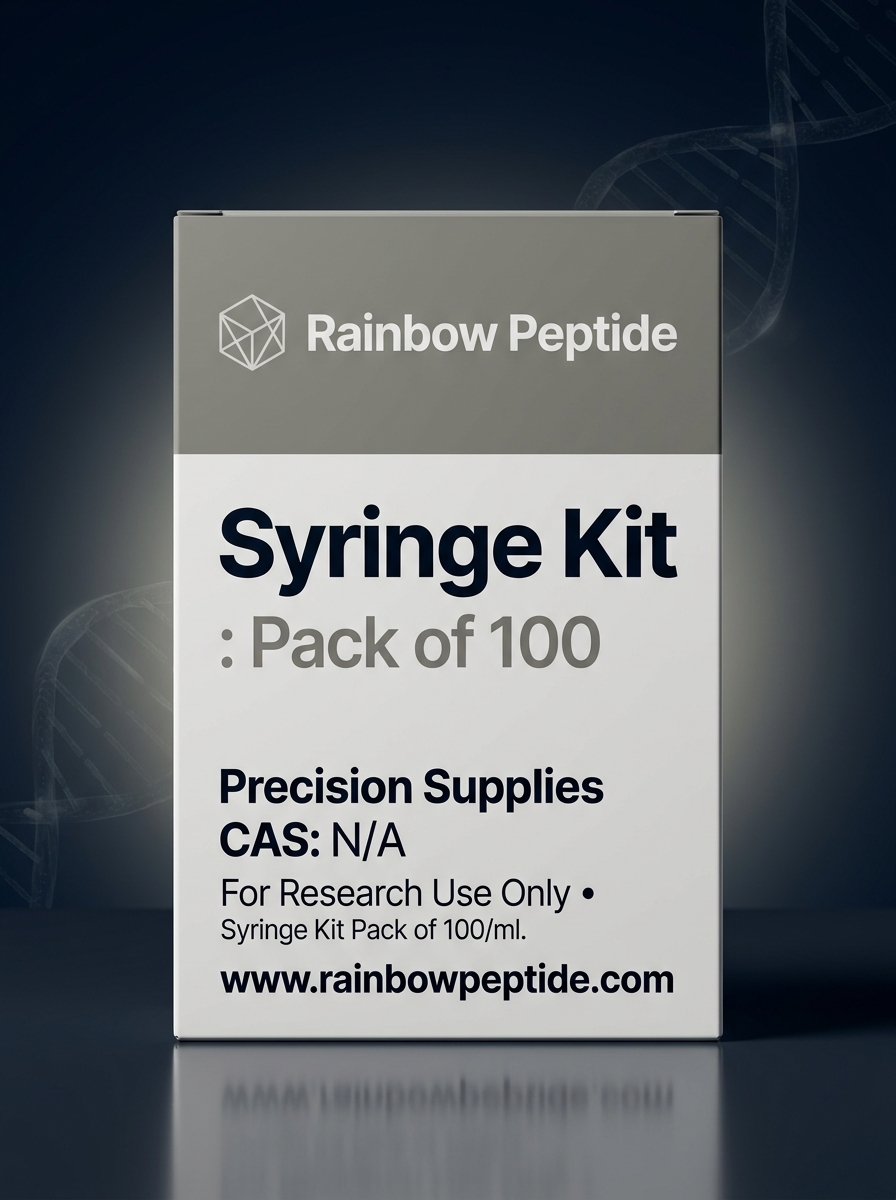
SOMA Syringe Kit
Insulin syringe kit for use in peptide research applications. 29G or 31G options available. Includes graduated markings for accurate volume measurement during in vitro or ex vivo research protocols.
 SOMA
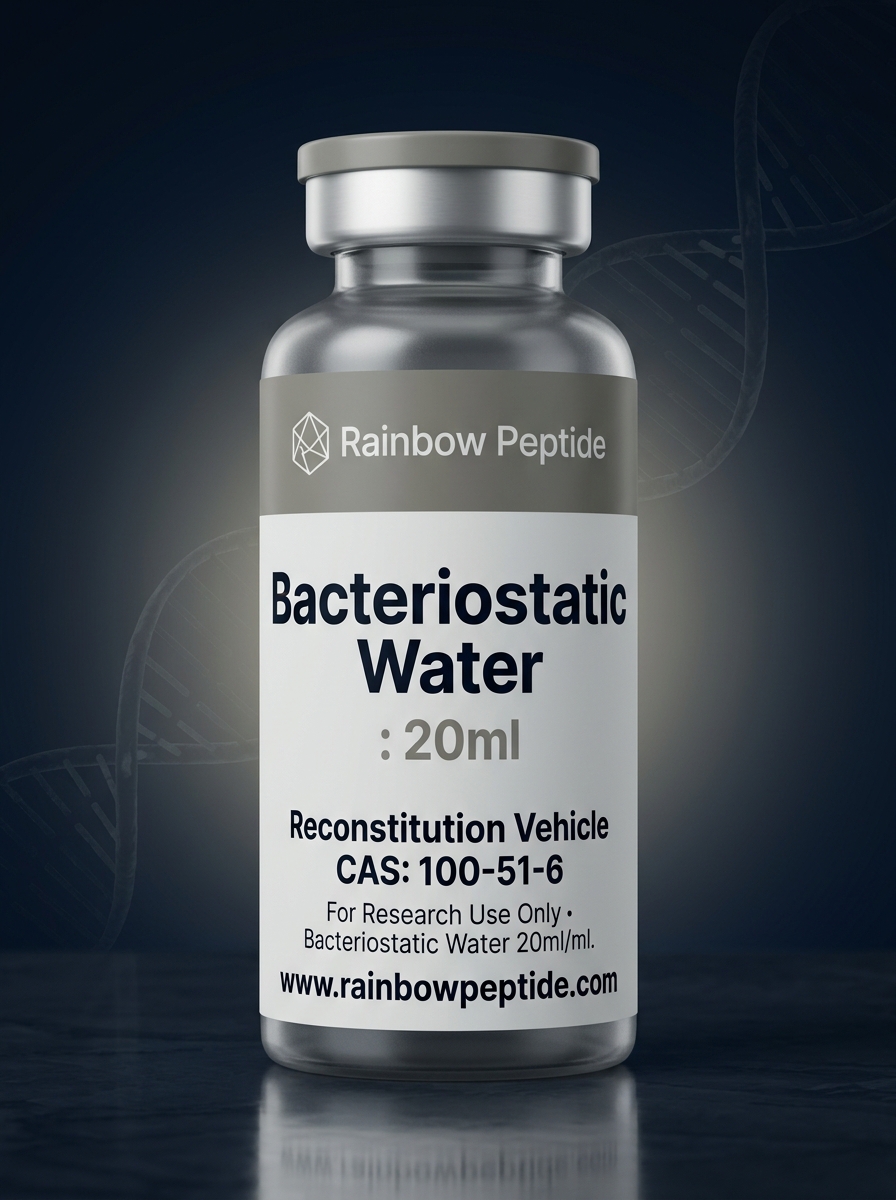
SOMA Bacteriostatic Water
Bacteriostatic Water (0.9% benzyl alcohol in sterile water for injection) is the standard reconstitution vehicle for lyophilised peptide research compounds. Benzyl alcohol provides bacteriostatic preservation allowing multi-use vial re-entry.
 SOMA
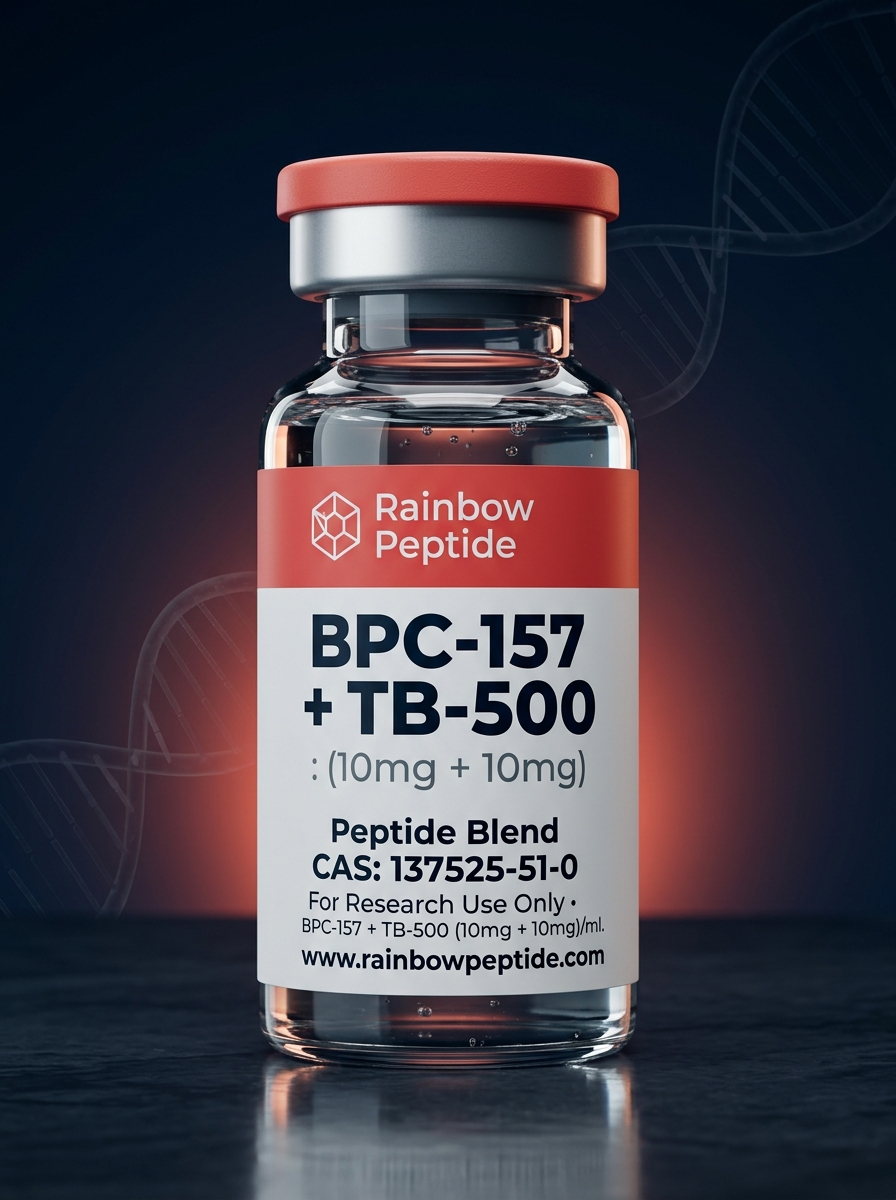
SOMA BPC-157 + TB-500 Blend
A pre-formulated research blend combining BPC-157 and TB-500 (Thymosin Beta-4 fragment) in equal concentrations. Frequently co-investigated in preclinical repair and regeneration models for potential synergistic tissue-healing properties.
 SOMA
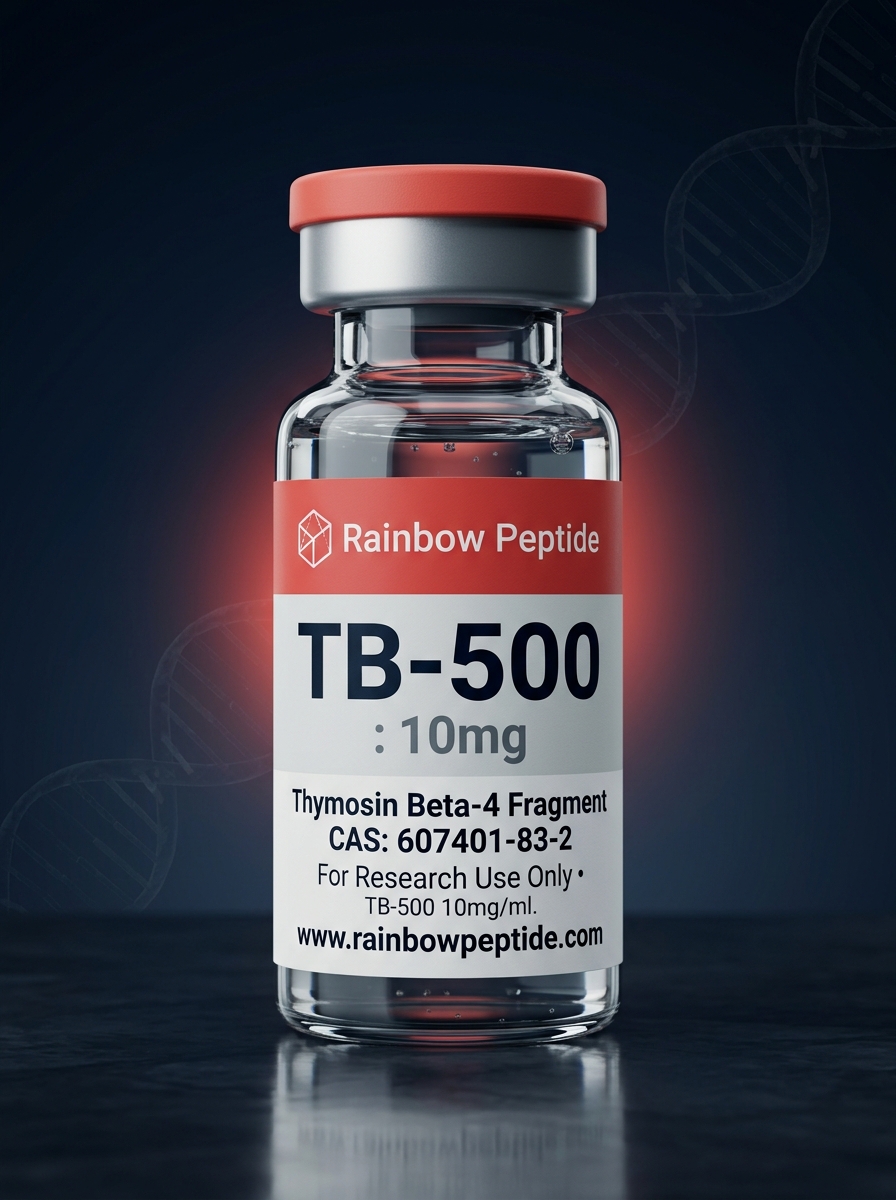
SOMA TB-500
TB-500 (Thymosin Beta-4 fragment) is a synthetic analogue of the naturally occurring peptide Thymosin Beta-4. It is studied for its roles in actin regulation, cellular migration, and tissue repair across a range of preclinical models.
 SOMA
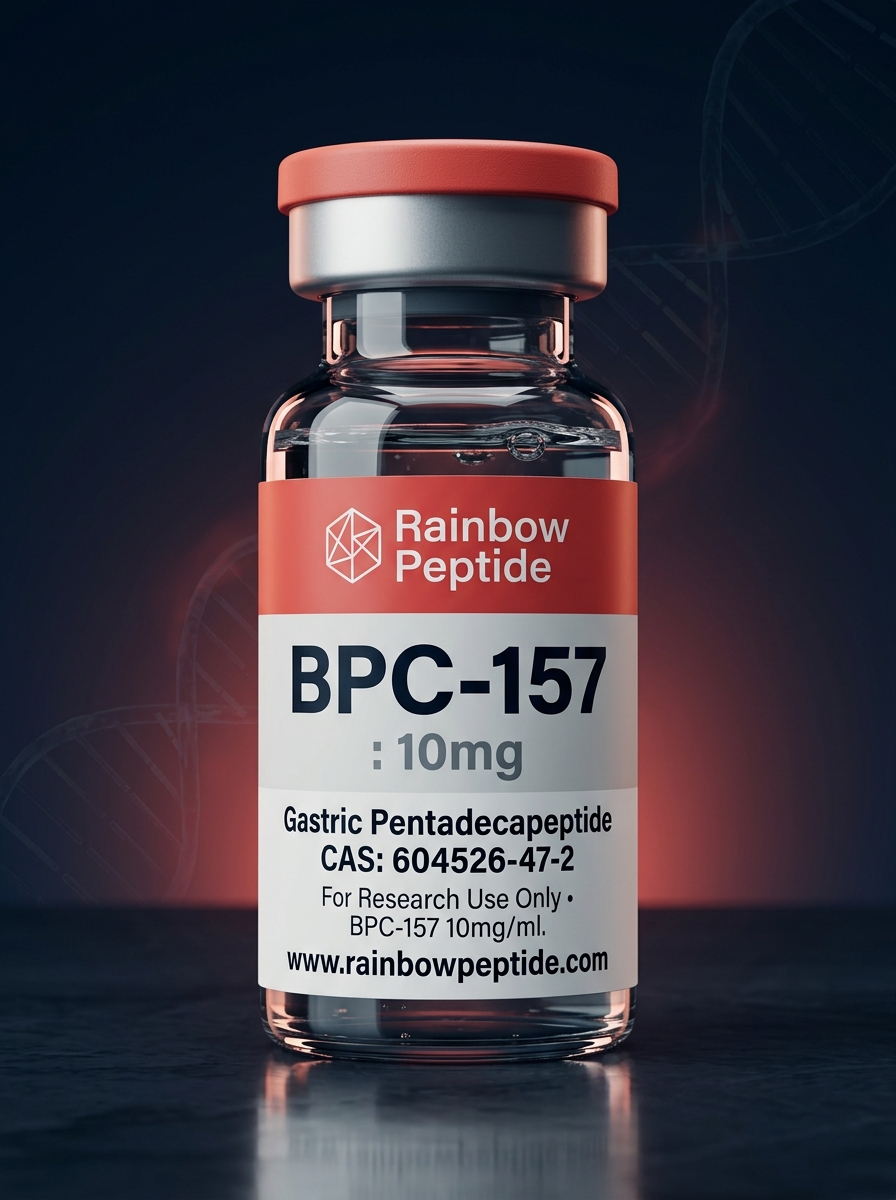
SOMA BPC-157
BPC-157 is a synthetic pentadecapeptide derived from a protective gastric protein. Studied extensively in preclinical models for its regenerative and cytoprotective properties across musculoskeletal, gastrointestinal, and neurological tissue.
Frequently Asked Questions
What is BPC-157 and how is it used in tissue repair research?
BPC-157 (Body Protection Compound-157) is a synthetic 15-amino acid peptide derived from a protein found in human gastric juice. In preclinical research, BPC-157 has been studied for its effects on tendon, ligament, bone, and gastrointestinal tissue repair. It is thought to upregulate growth hormone receptors and stimulate the expression of EGR-1 (early growth response protein 1), promoting fibroblast proliferation and angiogenesis. Published rodent studies have shown accelerated tendon-to-bone healing, reduction of inflammatory markers, and GI ulcer healing. It is available as a lyophilized vial for injectable research or as oral capsules for GI-targeted models. For Research Use Only.
What is the difference between BPC-157 and TB-500 in tissue repair research?
BPC-157 and TB-500 (a synthetic fragment of Thymosin Beta-4) target different aspects of the tissue repair cascade. BPC-157 primarily acts via growth hormone receptor upregulation and EGR-1 pathway activation, with particularly strong data on tendon healing and GI mucosa repair. TB-500 (Tβ4 fragment 17-23, LKKTETQ) promotes actin polymerisation, cellular migration, and angiogenesis via thymosin beta-4's action on G-actin sequestration. In research, they are often studied in combination because they affect complementary phases of wound healing. Rainbow Peptide offers a pre-blended BPC-157 + TB-500 vial for combined protocol research.
What is AOD-9604 and how does it relate to fat loss research?
AOD-9604 (Advanced Obesity Drug-9604) is a synthetic peptide fragment of human growth hormone (hGH176-191) that includes the fat-metabolising region of the GH molecule but lacks the insulin-like activity that causes IGF-1 elevation. In preclinical research, AOD-9604 has shown lipolytic activity in adipocytes by stimulating beta-adrenergic receptors and inhibiting lipogenesis. Unlike full-length hGH, it does not raise blood glucose or IGF-1 levels in preclinical models, making it a useful tool for studying fat-specific GH receptor signalling. For Research Use Only.
What purity should research peptides like BPC-157 have?
Research-grade peptides should be verified at ≥98% purity by HPLC (High-Performance Liquid Chromatography) with identity confirmation by mass spectrometry. A Certificate of Analysis from an independent third-party laboratory, with a traceable lot number, must accompany every batch. All Rainbow Peptide SOMA line compounds are HPLC-verified at >98% purity. Lower purity indicates synthesis by-products or degradation that can confound research results.