Cognitive & Nootropic
Research Peptides
Russian neuropeptides and nootropic compounds for neuroplasticity, anxiety reduction, and cognitive function research. KD 3–5, among the most accessible keyword clusters in the peptide space.
Research Overview, Cognitive & Nootropic Pathways
The AXON line covers neuropeptides and small molecules studied for their effects on cognitive function, neuroplasticity, anxiety, and sleep regulation. This category has the lowest competition among all peptide research clusters (average KD 3–5) while attracting a highly qualified research audience.
The mechanistic anchors of the AXON line are diverse. Semax operates via ACTH receptor-independent BDNF and VEGF upregulation, stimulating neurotrophin production and neuroprotective signalling. Selank modulates GABAergic tone and the serotonin system while simultaneously acting on IL-6 and cytokine networks through its tuftsin-derived immune-regulatory sequence.
Dihexa represents a structurally distinct mechanism: it potentiates hepatocyte growth factor (HGF) signalling at the MET receptor, facilitating synaptogenesis and long-term potentiation. Published data from McCoy et al. (Washington State University) placed its nootropic potency at 7–8 orders of magnitude above BDNF in rodent spatial memory models, making it arguably the most potent nootropic peptide studied in animal models.
5-Amino-1MQ acts upstream of all peptides in this line: as a selective NNMT inhibitor, it prevents the methylation of nicotinamide (the "methyl drain"), raising intracellular NAD+ and SAM. These changes have downstream effects on sirtuin pathways and mitochondrial function that are increasingly relevant to cognitive aging research. DSIP (delta sleep-inducing peptide) completes the line with neuromodulatory activity on the HPA axis and sleep architecture, an underresearched area with significant scientific interest.
All AXON compounds are available as both injectable vials and oral capsules, enabling research across different delivery route models. For Research Use Only.
AXON Research Compounds
HPLC-verified >98% purity · COA every order · For Research Use Only
For Research Use Only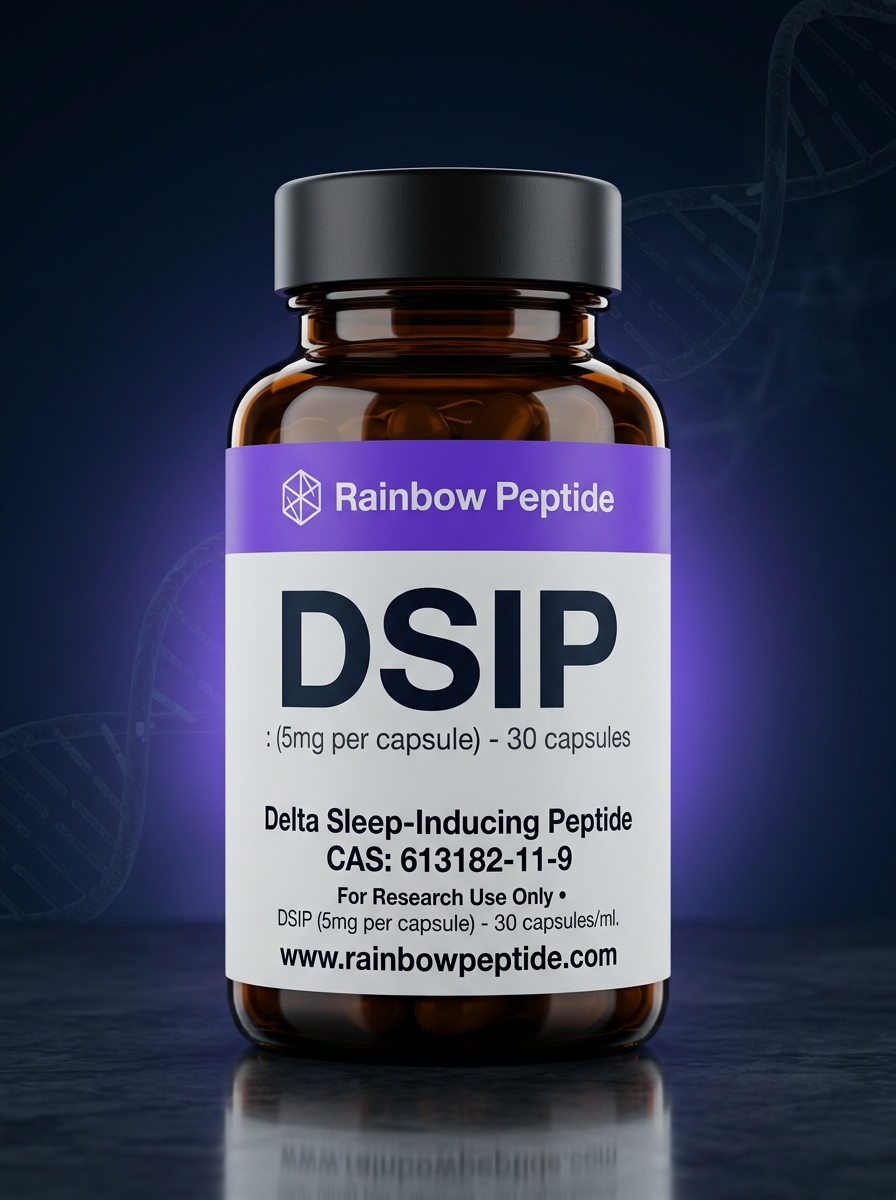 AXON
AXON DSIP Capsules (5mg)
DSIP (Delta Sleep-Inducing Peptide) in oral capsule format, 5mg per capsule. Studied for sleep architecture modulation, HPA axis normalisation, and stress peptide biology. COA included.
 AXON
AXON ARA-290
ARA-290 (cibinetide) is an 11-amino acid synthetic peptide derived from the non-erythropoietic region of erythropoietin. It selectively activates the innate repair receptor (IRR) without erythropoietic activity, studied in neuropathic pain, small fibre neuropathy, and sarcoidosis.
 AXON
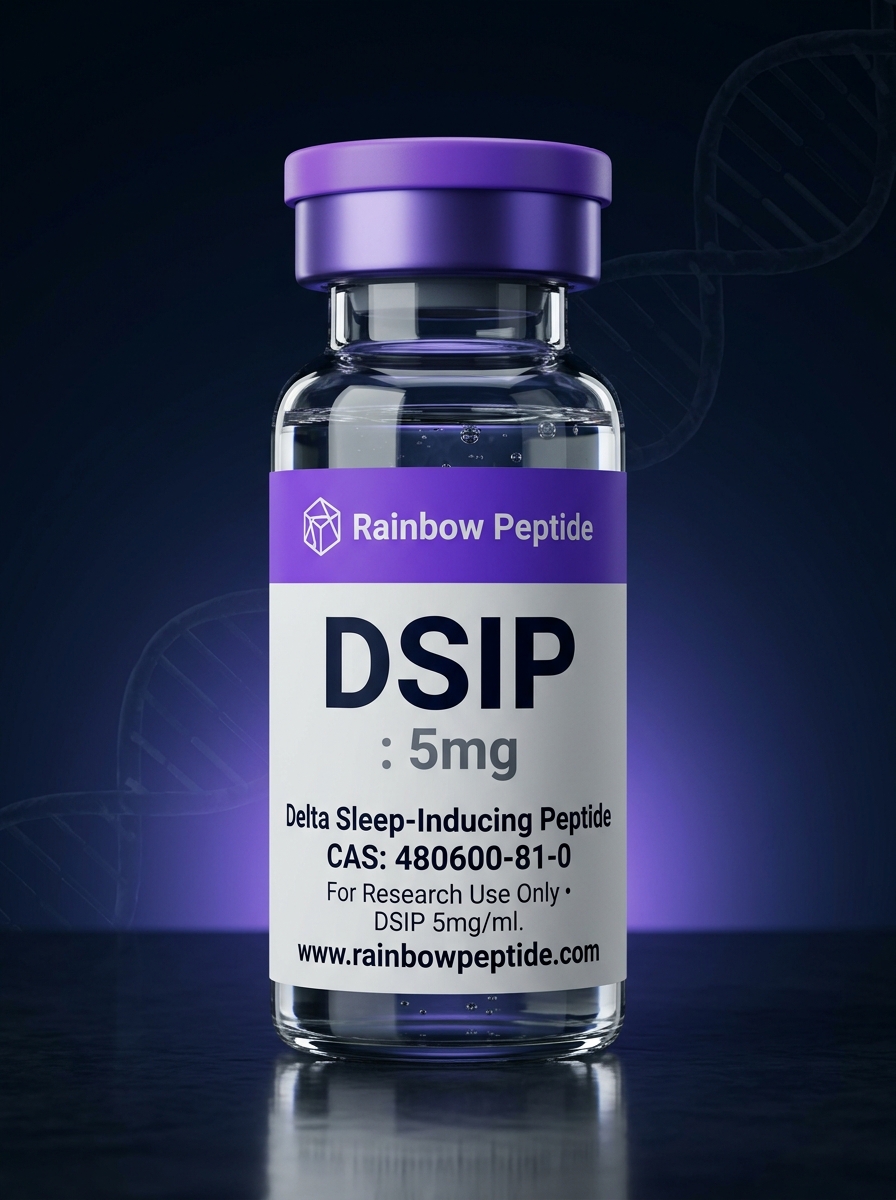
AXON DSIP
DSIP (Delta Sleep-Inducing Peptide, Trp-Ala-Gly-Gly-Asp-Ala-Ser-Gly-Glu) is a naturally occurring neuropeptide studied for sleep regulation, cortisol modulation, stress response, and antioxidant activity.
 AXON
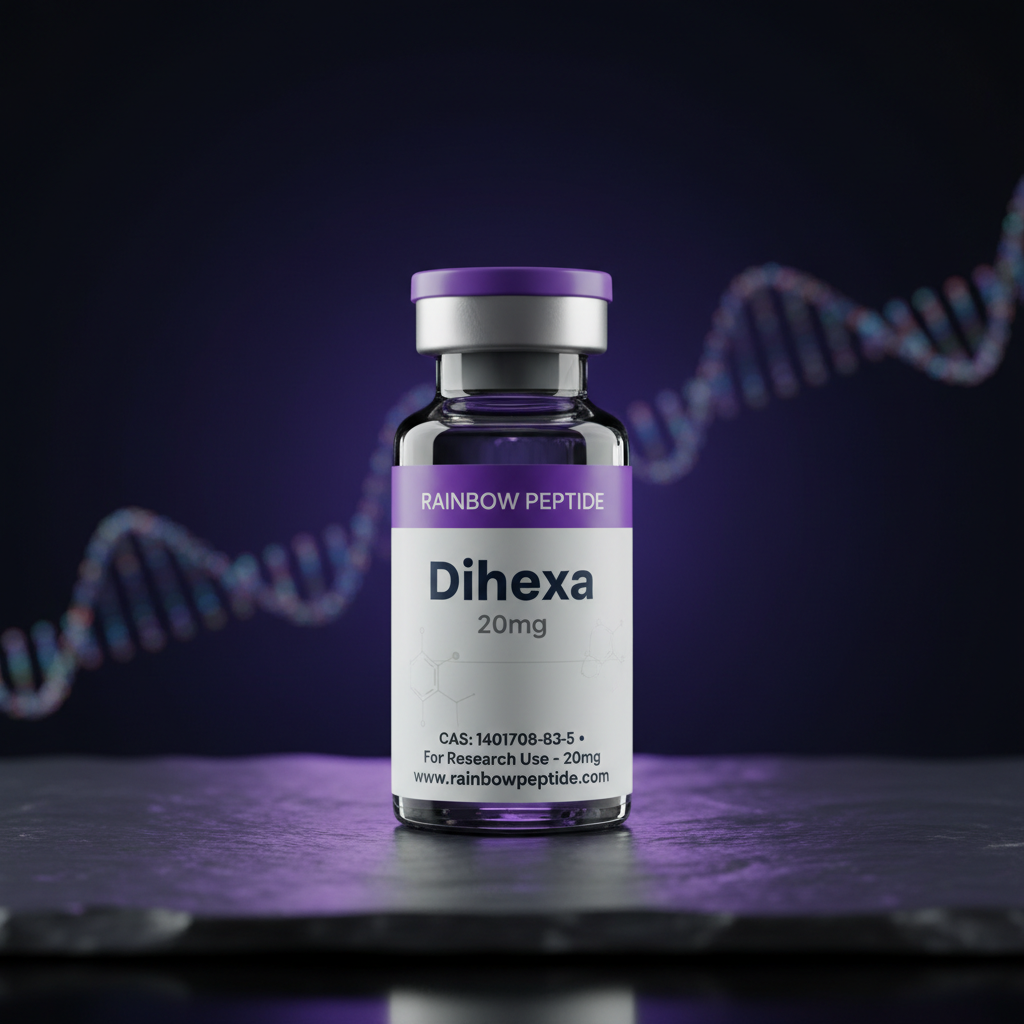
AXON Dihexa
Dihexa is a small-molecule angiotensin IV analogue and AT4/IRAP inhibitor. Studied for synaptogenic activity and cognitive enhancement, it is reported to be approximately 10 million times more potent than BDNF in facilitating new synapse formation.
 AXON
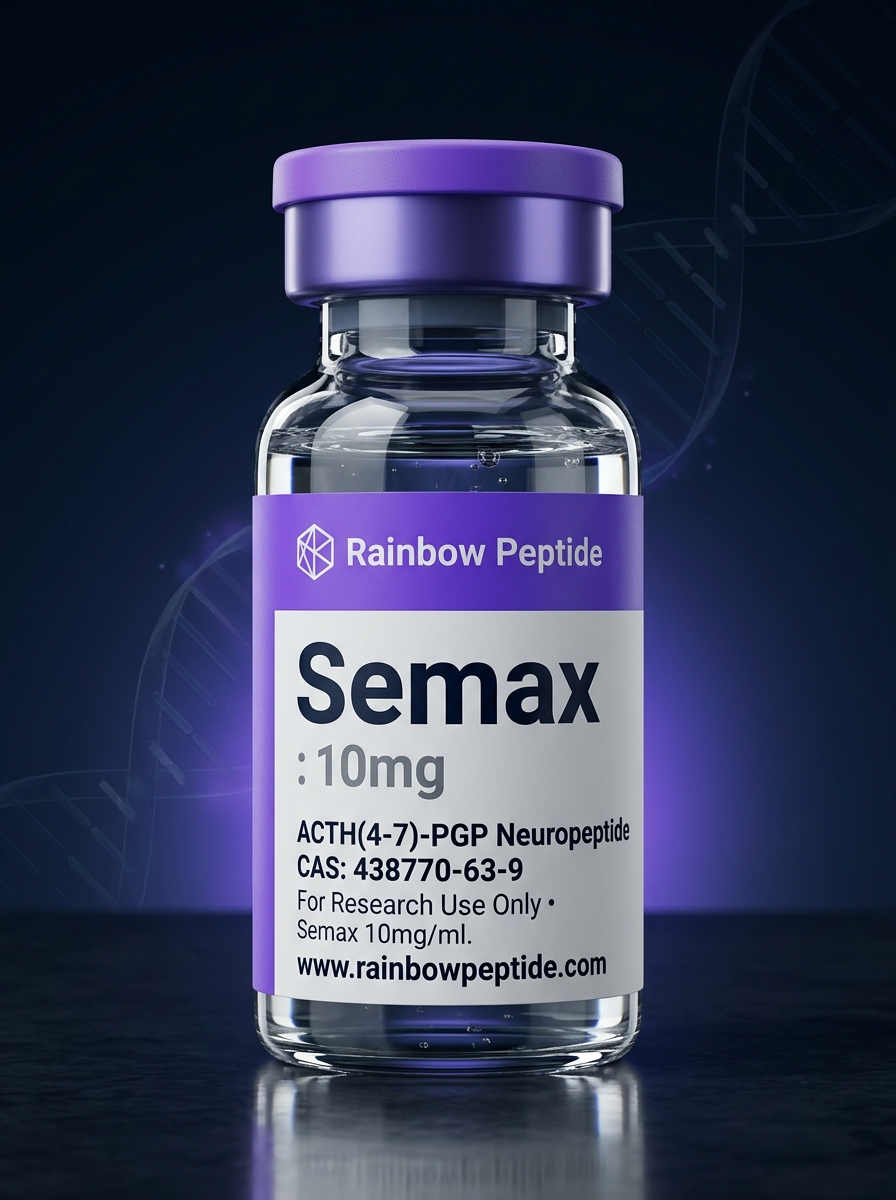
AXON Semax
Semax (Met-Glu-His-Phe-Pro-Gly-Pro) is a heptapeptide derived from the ACTH 4-7 sequence with a Pro-Gly-Pro stability extension. Registered in Russia for stroke, TBI, and cognitive disorders, it is studied for BDNF upregulation and neuroprotective effects.
 AXON
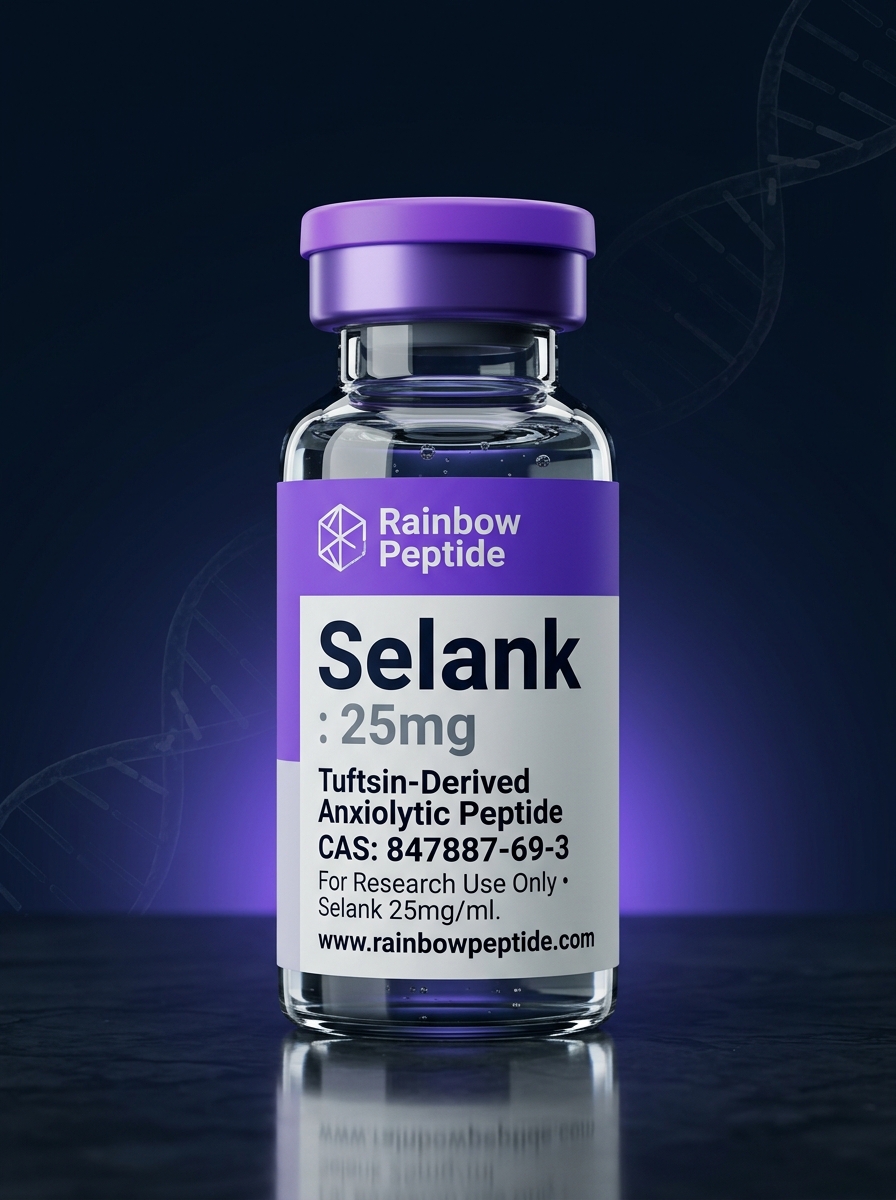
AXON Selank
Selank (Thr-Lys-Pro-Arg-Pro-Gly-Pro) is a synthetic heptapeptide analogue of the immunomodulatory peptide tuftsin. Registered in Russia for generalised anxiety disorder, it is studied for anxiolytic, nootropic, and immune-modulating properties.
Frequently Asked Questions
What are cognitive research peptides?
Cognitive research peptides are synthetic compounds studied for their effects on neuroplasticity, neuroprotection, neurotransmitter regulation, and cognitive function in preclinical models. The AXON line at Rainbow Peptide includes: Semax (ACTH analogue, BDNF upregulation), Selank (tuftsin analogue, anxiolytic and nootropic properties), Dihexa (HGF potentiator, synaptic facilitation), DSIP (delta sleep-inducing peptide, HPA axis modulation), and 5-Amino-1MQ (NNMT inhibitor, NAD+ pathway). All are supplied For Research Use Only.
What is Semax and what does the research show?
Semax (ACTH(4-7)PGP) is a synthetic heptapeptide analogue of the ACTH 4-10 fragment. Russian Phase II clinical data demonstrates its use in ischemic stroke recovery and cognitive impairment. In preclinical models, Semax upregulates BDNF (brain-derived neurotrophic factor) and VEGF, promotes neuroplasticity, and exhibits neuroprotective effects in hypoxia models. The Pro-Gly-Pro C-terminal extension stabilises the peptide against enzymatic degradation. It is one of the most research-documented nootropic peptides in the scientific literature, particularly within the Russian clinical research tradition.
What is Dihexa and how does it facilitate synaptic function?
Dihexa (N-hexanoic-Tyr-Ile-(6)aminohexanoic amide) is a small peptide that potentiates HGF (hepatocyte growth factor) signalling by facilitating its binding to the MET receptor. HGF/MET signalling is involved in synaptogenesis and long-term potentiation. In rodent models published by McCoy et al. (Washington State University), Dihexa improved performance in cognitive tasks at doses 7-8 orders of magnitude lower than BDNF. It is believed to cross the blood-brain barrier, making it particularly interesting for CNS research. For Research Use Only.
What is the difference between Semax and Selank?
Semax targets the ACTH/BDNF/VEGF axis, its primary research utility is in neuroprotection, cognitive enhancement, and recovery from neurological insult. Selank (Thr-Lys-Pro-Arg-Pro-Gly-Pro) is a tuftsin analogue with a different mechanism: anxiolytic activity via GABAergic and serotonergic modulation, with secondary immunomodulatory effects through IL-6 and cytokine pathways. Semax is better studied for acute cognitive and neuroprotective applications; Selank has stronger data for anxiety-like behaviour reduction and stress axis modulation. They are complementary rather than redundant research tools.