Performance & Metabolic
Research Peptides
GH secretagogue axis, GLP-1 receptor agonists, metabolic regulation, and body composition research. Includes emerging agents Retatrutide and Tirzepatide. HPLC-verified at >98% purity.
Research Overview, Metabolic & Performance Biology
The APEX line is the largest and most commercially diverse sub-line in the Rainbow Peptide catalog, spanning two distinct research pillars: the growth hormone secretagogue axis and the incretin/GLP-1 pathway. Both have experienced explosive research interest driven by the weight loss peptide market, but their mechanistic underpinnings are fundamentally different.
GH secretagogues (CJC-1295, Ipamorelin, GHRP-2, GHRP-6, Sermorelin, Tesamorelin, Hexarelin) act on the pituitary-hypothalamic axis to amplify growth hormone pulsatility. CJC-1295 (GHRH analogue) and Ipamorelin (GHRP, ghrelin receptor agonist) are the most extensively studied combination, their complementary mechanisms on the GHRH receptor and GHS-R1a receptor produce synergistic GH pulse amplification without the cortisol and prolactin elevation seen with earlier GHRPs. Tesamorelin is the most clinically validated: FDA-approved as Egrifta for HIV-associated lipodystrophy with Phase III visceral fat reduction data.
The GLP-1/GIP axis compounds represent a convergence between pharmaceutical clinical development and research chemistry. Retatrutide's 24.2% Phase II weight loss data and Tirzepatide's FDA-approved status (Mounjaro/Zepbound) have driven unprecedented research and commercial interest. Fragment 176-191 and AOD-9604 complete the fat metabolism segment with hGH-derived compounds that provide lipolytic activity without full-length GH's IGF-1 and glucose-elevating effects.
PT-141 (Bremelanotide) addresses a different research area, melanocortin receptor agonism at MC4R for sexual function research, but shares the APEX classification based on its role in body system performance research. For Research Use Only.
APEX Research Compounds
HPLC-verified >98% purity · COA every order · For Research Use Only
For Research Use Only APEX
APEX SLU-PP-332
SLU-PP-332 is a synthetic small-molecule ERRalpha/gamma agonist developed at St. Louis University. It activates the exercise-mimicking nuclear receptor pathway, increasing mitochondrial biogenesis and oxidative capacity. Preclinical data shows 70% increase in treadmill endurance without training.
 APEX
APEX AICAR
AICAR (5-Aminoimidazole-4-carboxamide ribonucleotide) is a cell-permeable AMP analogue and AMPK activator. Often called the ‘exercise pill’ in research literature, it mimics exercise adaptations in skeletal muscle via AMPK pathway activation without physical activity.
 APEX
APEX ACE-031
ACE-031 is a fusion protein of the activin receptor type IIB (ActRIIB) extracellular domain and human IgG1-Fc. It acts as a myostatin trap by sequestering myostatin, GDF-11, and activins. Studied in Duchenne muscular dystrophy and muscle wasting research.
 APEX
APEX Kisspeptin-10
Kisspeptin-10 is the biologically active C-terminal decapeptide fragment of kisspeptin-54, acting as a potent agonist at the KISS1 receptor (GPR54). It is the primary upstream regulator of GnRH neurons and is studied in reproductive endocrinology and puberty research.
 APEX
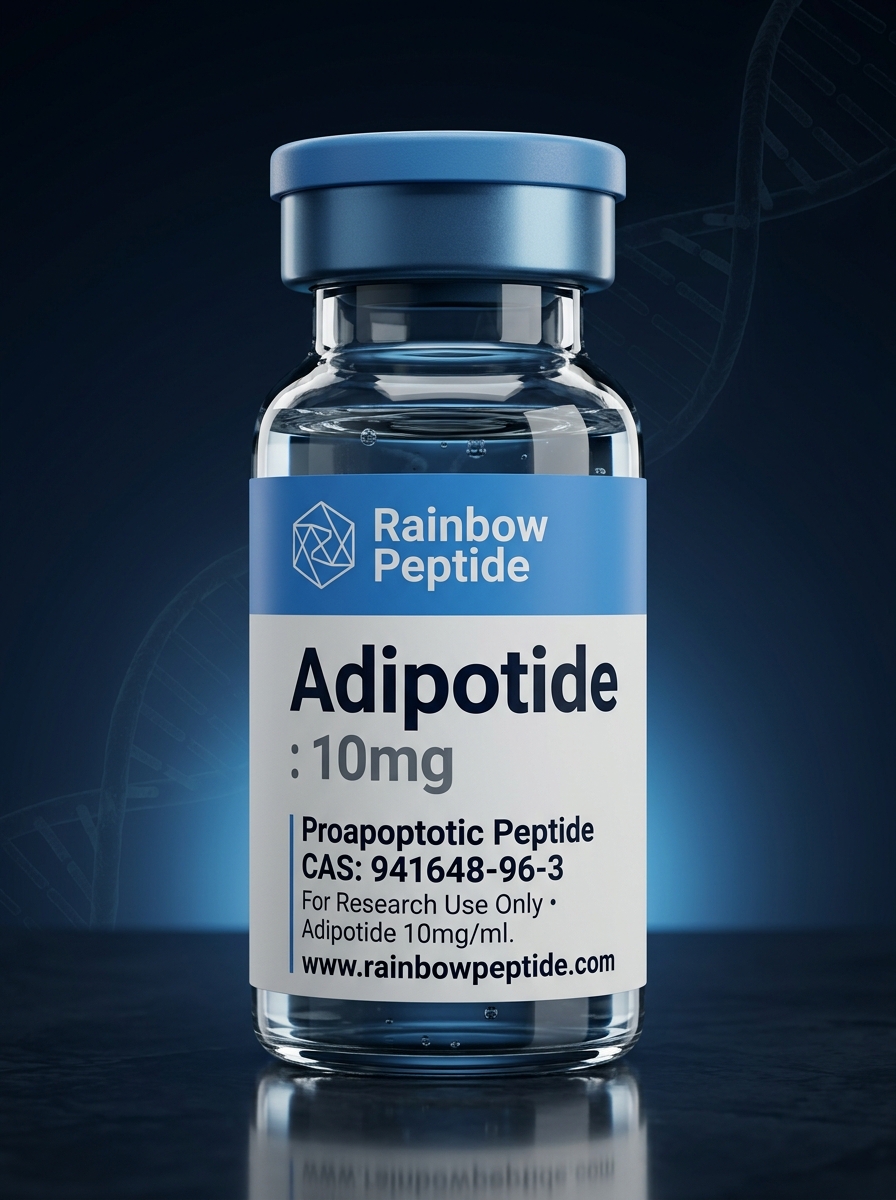
APEX Adipotide
Adipotide is a peptidomimetic compound designed to target vasculature supplying white adipose tissue. It induces apoptosis in fat-feeding blood vessels via mitochondrial disruption, studied for targeted adipose reduction in primate models.
 APEX
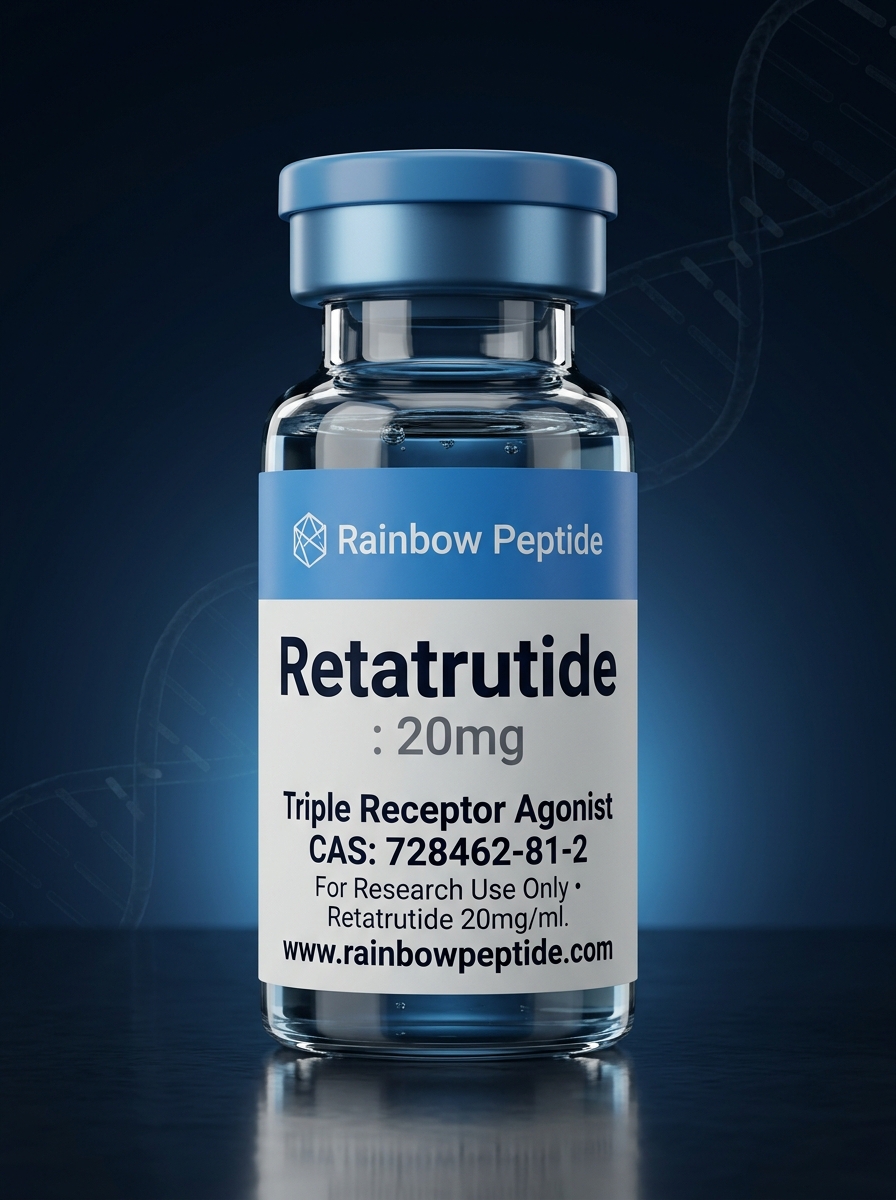
APEX Retatrutide
Retatrutide is a novel triple agonist of the GIP, GLP-1, and glucagon receptors in Phase III clinical development. Phase II data showed up to 24.2% body weight reduction at 48 weeks, the highest weight loss reported for any injectable compound in clinical trials.
 APEX
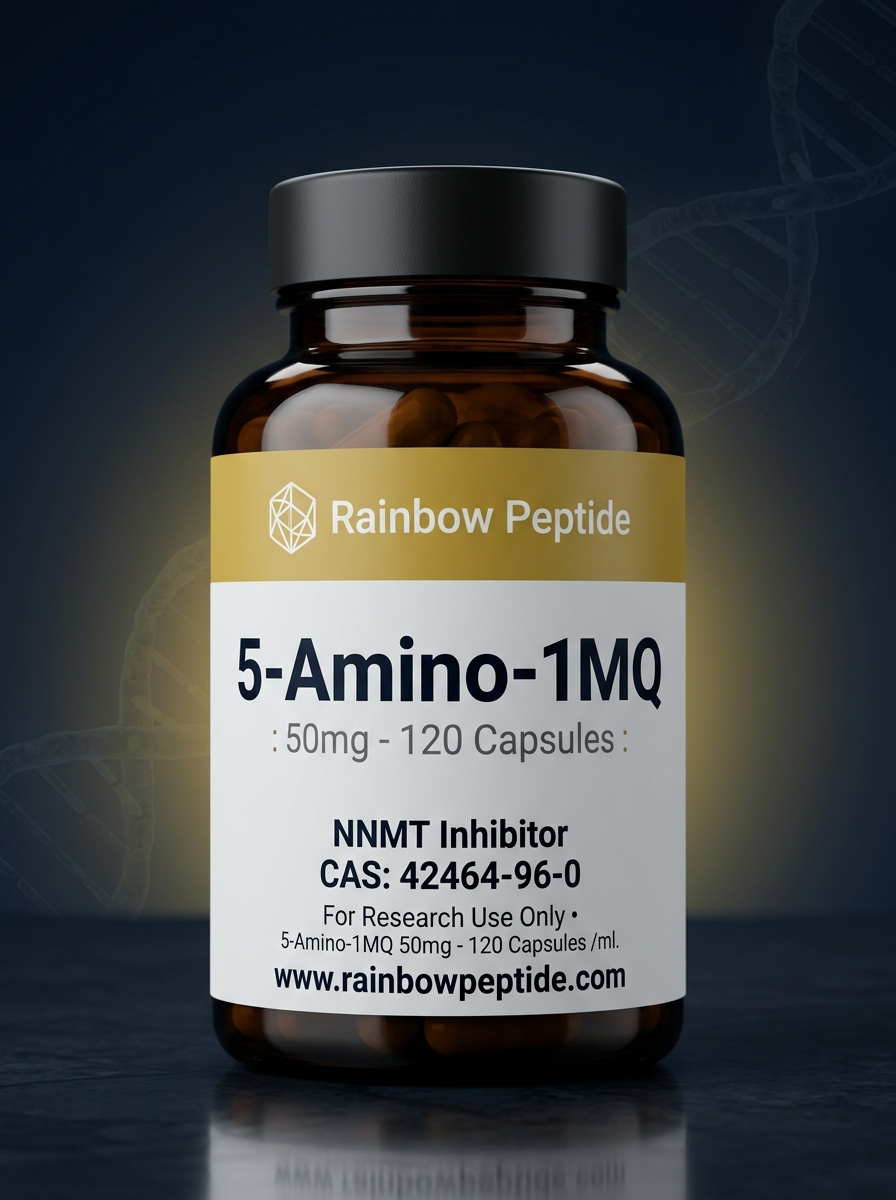
APEX 5-Amino-1MQ
5-Amino-1MQ (5-Amino-1-methylquinolinium) is a cell-permeable NNMT inhibitor studied for effects on adipocyte metabolism, NAD+ pathway activation, and fat cell differentiation. Preclinical data shows fat mass reduction without appetite suppression.
 APEX
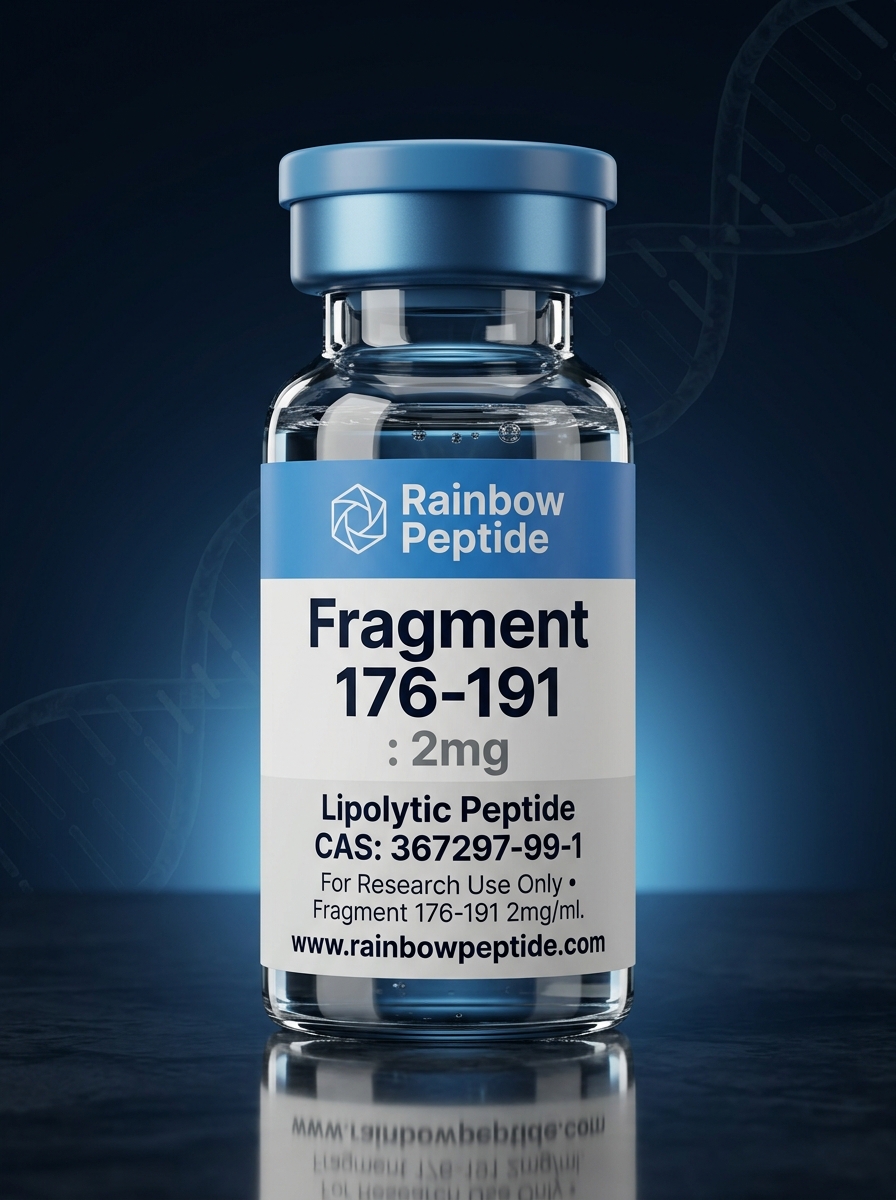
APEX Fragment 176-191
HGH Fragment 176-191 is the 16-amino acid C-terminal fragment of human growth hormone spanning residues 176-191. It selectively activates beta-3 adrenergic receptors for lipolysis without GH receptor binding, making it a precise tool in fat metabolism research.
 APEX
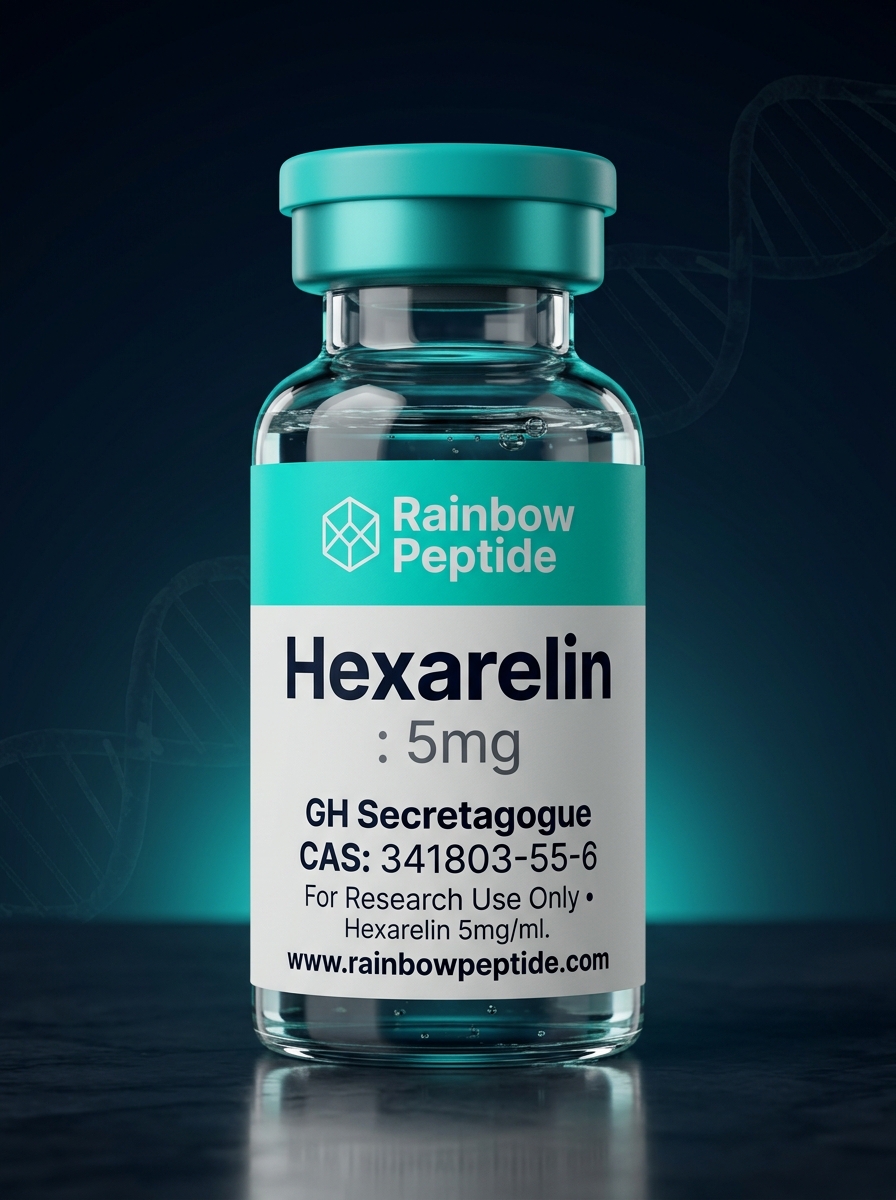
APEX Hexarelin
Hexarelin is a synthetic hexapeptide GH secretagogue and the most potent GHS-R1a agonist in its class. Uniquely, it also binds the CD36 scavenger receptor and has been studied for cardioprotective properties beyond GH-axis effects.
 APEX
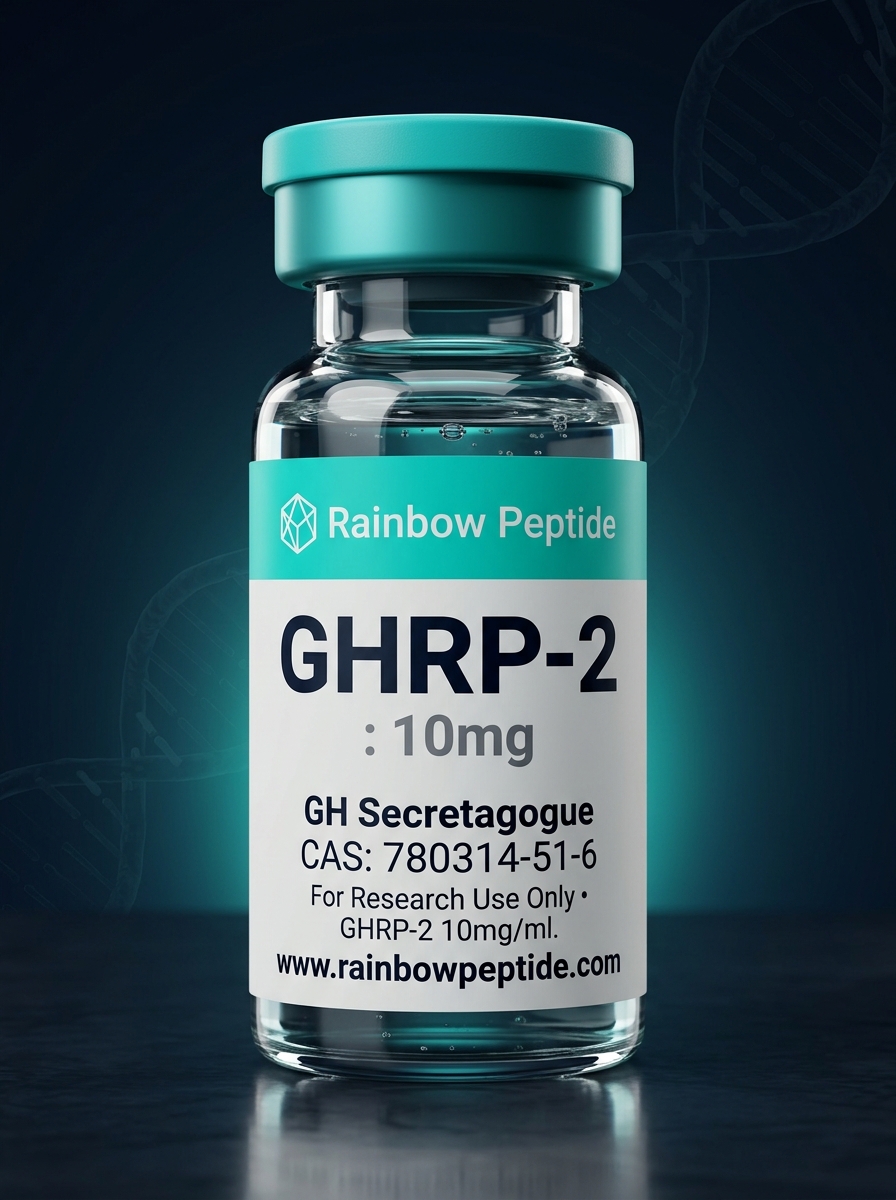
APEX GHRP-2
GHRP-2 is a synthetic hexapeptide growth hormone secretagogue with greater GH-stimulating potency than GHRP-6 and reduced appetite stimulation. It activates GHS-R1a and is studied in GH deficiency and metabolic research.
 APEX
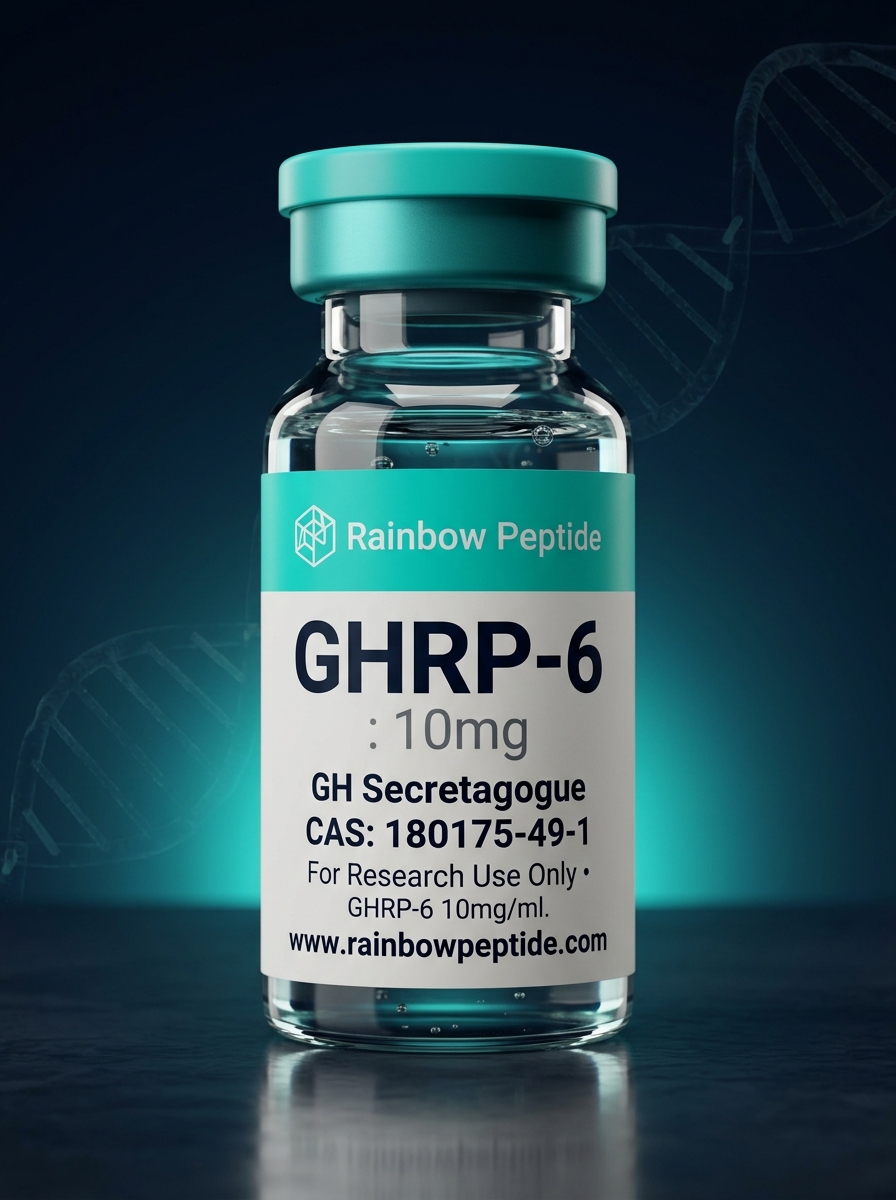
APEX GHRP-6
GHRP-6 is a synthetic hexapeptide and first-generation growth hormone secretagogue. It stimulates GH release via GHS-R1a agonism and is studied in GH deficiency, appetite regulation, and GI motility research. Notable for its ghrelin-mimetic hunger stimulation.
 APEX
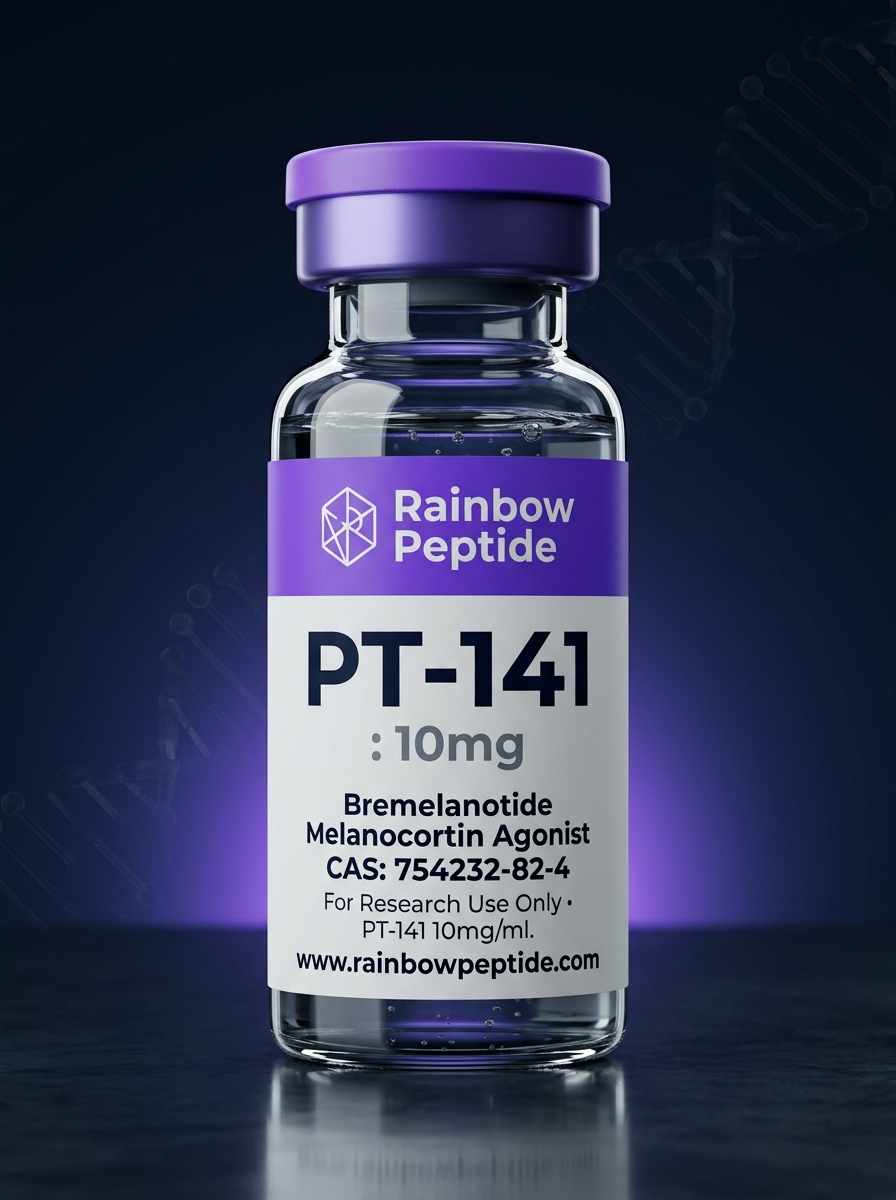
APEX PT-141
PT-141 (Bremelanotide) is a cyclic heptapeptide melanocortin receptor agonist approved by the FDA as Vyleesi for hypoactive sexual desire disorder (HSDD) in premenopausal women. It acts centrally via MC3R/MC4R, distinct from PDE5 inhibitor mechanisms.
 APEX
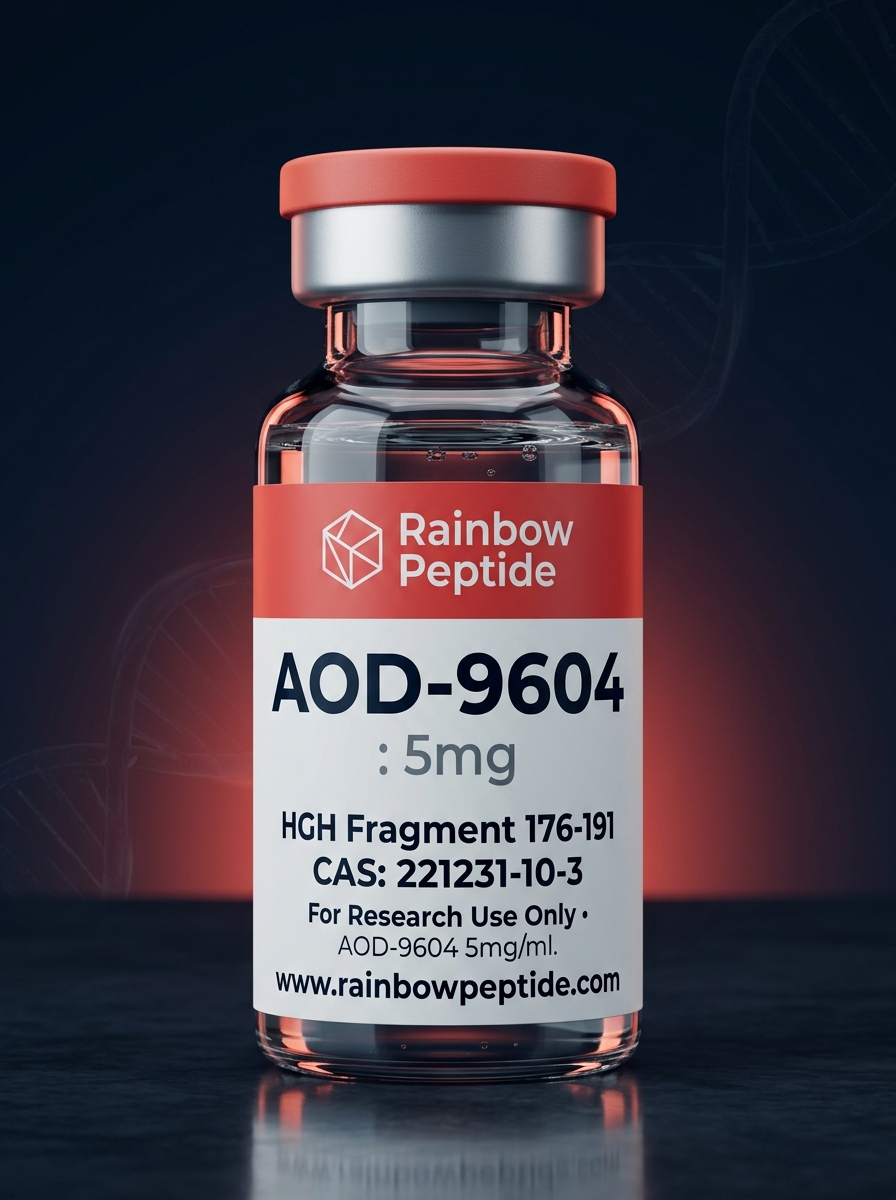
APEX AOD-9604
AOD-9604 (HGH Fragment 176-191) is a synthetic peptide fragment of human growth hormone spanning residues 176-191. It retains the lipolytic properties of GH without activating the GH receptor, making it a selective tool in fat metabolism research.
 APEX
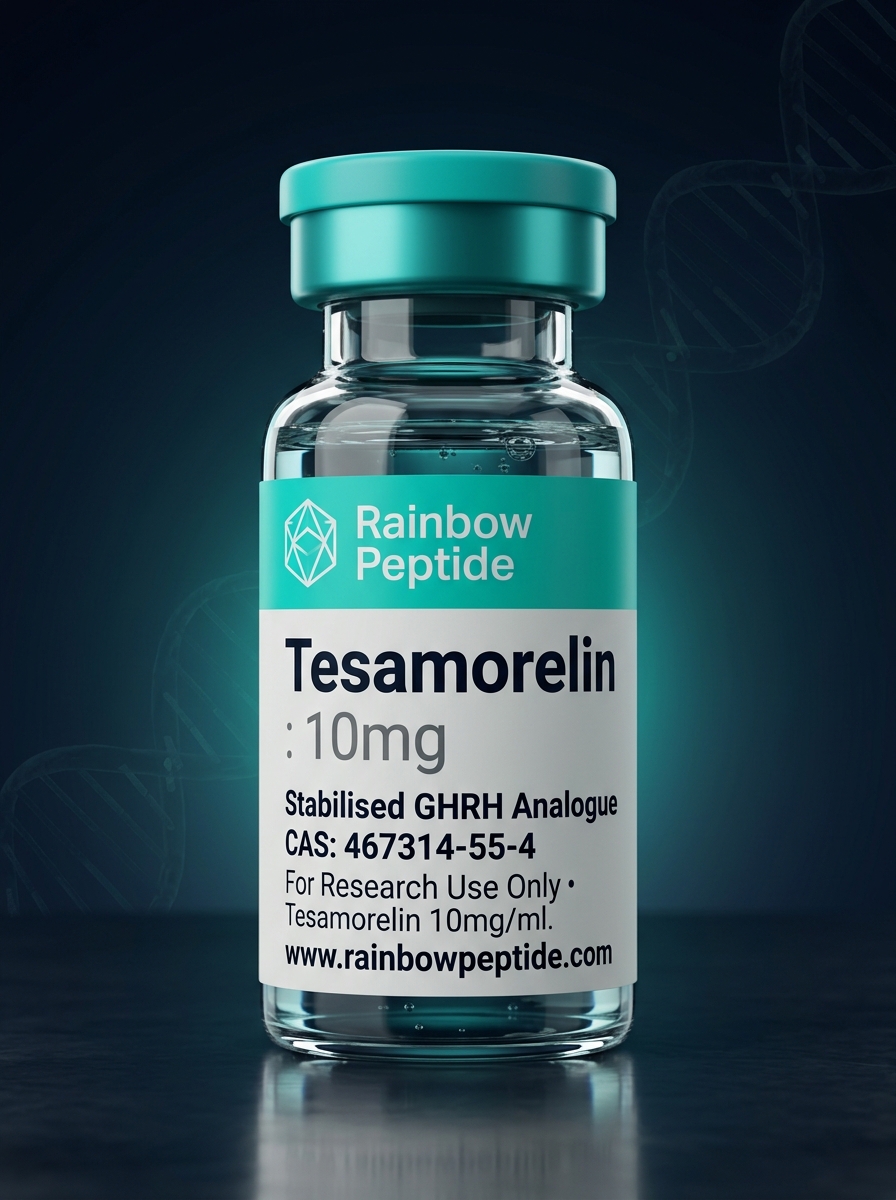
APEX Tesamorelin
Tesamorelin is a stabilised GHRH analogue with demonstrated efficacy in HIV-associated lipodystrophy clinical trials. It stimulates endogenous GH secretion and is studied in visceral adiposity and metabolic research.
 APEX
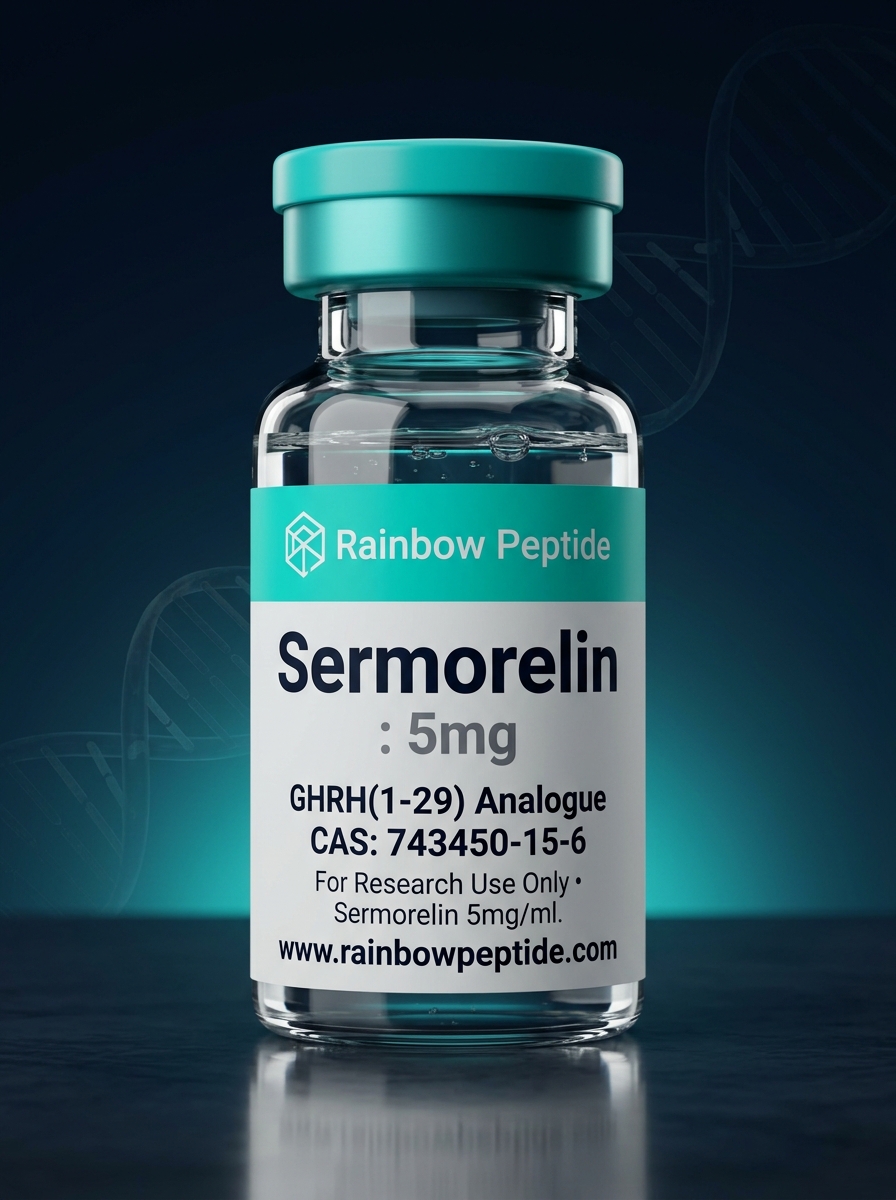
APEX Sermorelin
Sermorelin is a synthetic analogue of the first 29 amino acids of endogenous GHRH. It stimulates the pituitary to produce and release GH through natural physiological pathways and has been studied extensively in GH deficiency research.
 APEX
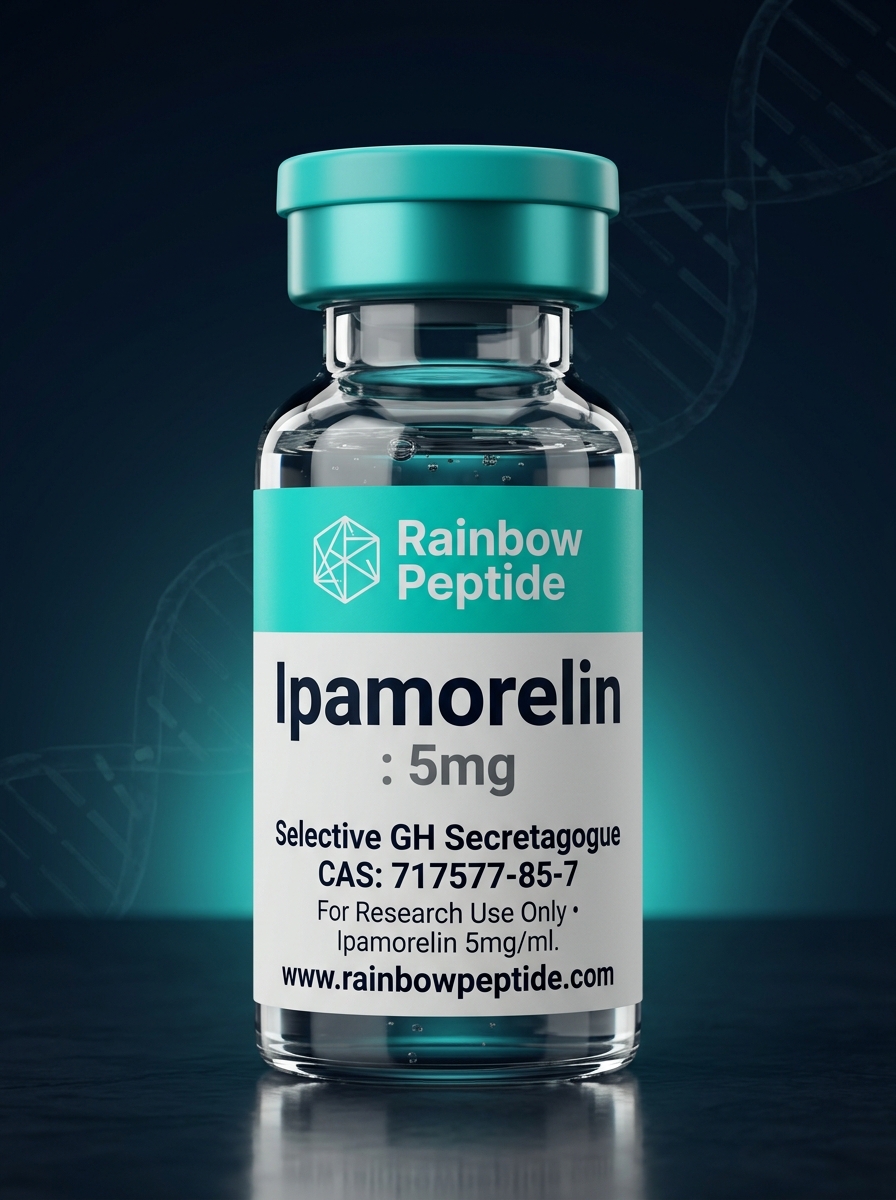
APEX Ipamorelin
Ipamorelin is a selective, third-generation growth hormone secretagogue and ghrelin receptor agonist. It stimulates GH release with high selectivity and minimal effect on cortisol or prolactin, making it a preferred tool in GH axis research.
 APEX
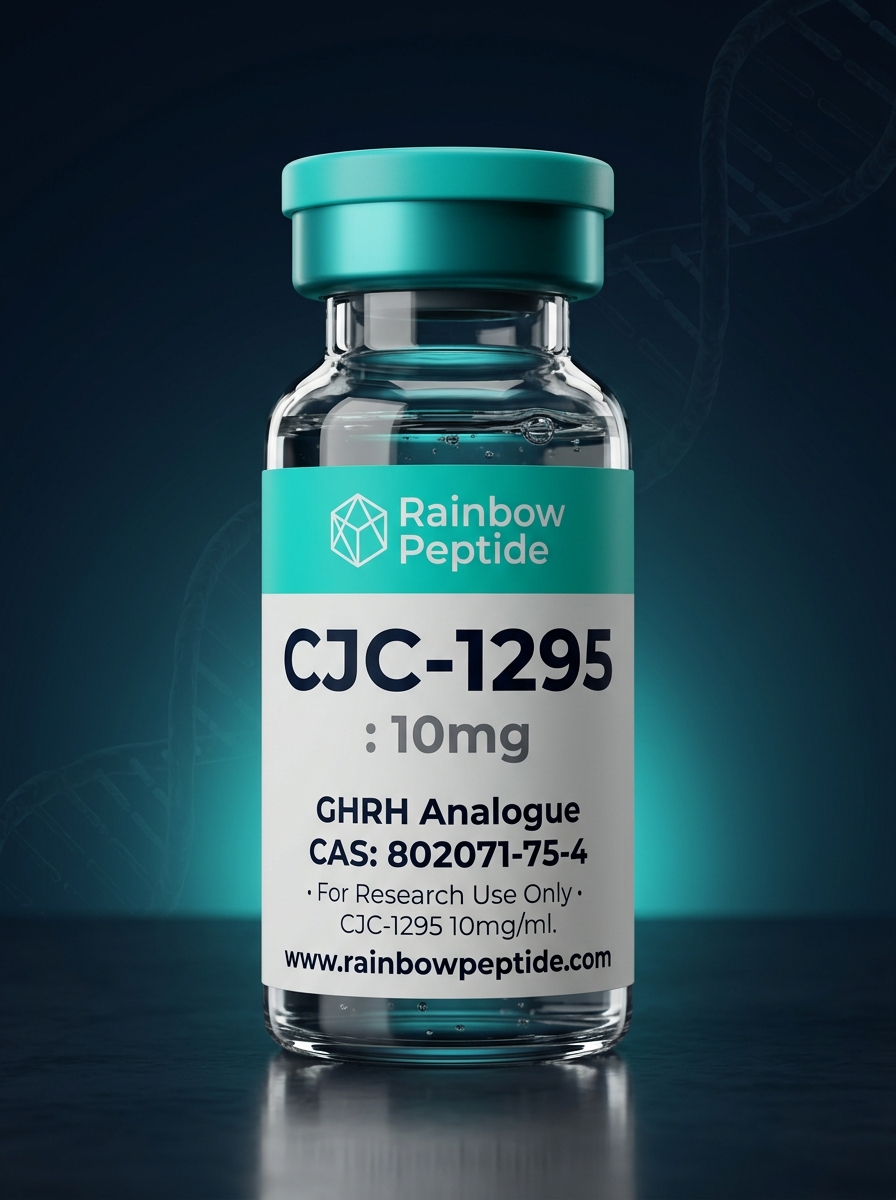
APEX CJC-1295
CJC-1295 (No DAC) is a modified GHRH analogue with an extended half-life compared to native GHRH(1-29). It stimulates pulsatile GH secretion from the anterior pituitary and is studied in growth hormone deficiency and metabolic research models.
Frequently Asked Questions
What are GH secretagogue peptides and how do CJC-1295 and Ipamorelin differ?
Growth hormone secretagogues (GHS) are compounds that stimulate GH release from the pituitary. They fall into two mechanistic classes: GHRH analogues (act on GHRH receptors) and GHRPs (act on ghrelin/GHS receptors). CJC-1295 is a GHRH analogue, it mimics growth hormone-releasing hormone to stimulate the anterior pituitary. Ipamorelin is a GHRP (growth hormone-releasing peptide) with high GHS-R selectivity and minimal cortisol/prolactin side effects compared to GHRP-2 and GHRP-6. Combined, CJC-1295 and Ipamorelin activate complementary pathways for synergistic GH pulse amplification, which is why they are frequently studied together in GH axis research. For Research Use Only.
What is Retatrutide and how does it compare to Tirzepatide?
Retatrutide (LY3437943, Eli Lilly) is a triple agonist targeting GLP-1, GIP, and glucagon receptors simultaneously. Tirzepatide (Mounjaro/Zepbound) is a dual GLP-1/GIP agonist approved by the FDA. In Phase II data, Retatrutide produced 24.2% mean weight loss at 48 weeks versus Tirzepatide's 20.9% at 72 weeks in Phase III, though cross-trial comparison requires caution. The glucagon receptor component of Retatrutide adds thermogenic and hepatic fat-clearing mechanisms absent from Tirzepatide. Both are available at Rainbow Peptide as lyophilized vials and oral capsule research formats. For Research Use Only.
What is Fragment 176-191 and how does it compare to full-length GH in fat loss research?
Fragment 176-191 is the C-terminal 16-amino acid fragment of human growth hormone (hGH176-191), which contains the region responsible for fat metabolism. Unlike full-length hGH, Fragment 176-191 does not bind the GH receptor and does not raise IGF-1 or blood glucose levels. In rodent adipocyte studies, it has shown lipolytic activity via beta-3 adrenergic receptor stimulation, making it a research tool for studying fat-specific GH signalling without the confounding anabolic and diabetogenic effects of full-length hGH. For Research Use Only.
What is Tesamorelin and what clinical data supports its use in fat metabolism research?
Tesamorelin (TH9507) is a synthetic GHRH analogue approved by the FDA as Egrifta for treatment of HIV-associated lipodystrophy (excess visceral fat). Phase III data showed significant reduction in visceral adipose tissue (VAT) as measured by CT scan, with improvements in lipid profiles. Its FDA approval and extensive clinical dataset make it one of the most validated GH-axis research compounds available. In research, tesamorelin is used as a reference GHRH agonist and in metabolic research models involving visceral fat and GH deficiency. For Research Use Only as a research compound.